MFA Alumni

MFA Alumni

We've long been fortunate to have outstanding students come through the MFA Program at WashU, and we're very proud of what our alumni have gone on to accomplish. In the past ten years, our alumni have been awarded The National Book Award for Poetry, The PEN/Faulkner Award for Fiction, the Cave Canem Prize, the Whiting Award, and the NEA Fellowship, among many other honors. They’ve published New York Times Bestsellers. They’ve had work in magazines, newspapers, and journals too numerous to count, but including in The New Yorker, Granta, Guernica, The Nation, BOMB Magazine, and The Yale Review.
 

We're proud to offer this list of news and accomplishments, which will be regularly updated. However, we're sure the list is incomplete. We have little news from anyone who graduated before 1996, and we're certain there is plenty that we're not aware of concerning more recent graduates as well. We need your help. If you came through the MFA program, please write to let us know what you have pursued since graduating, whether it has to do with your writing or not. And for those already on this list, please do continue to update us.

Alumni Publications

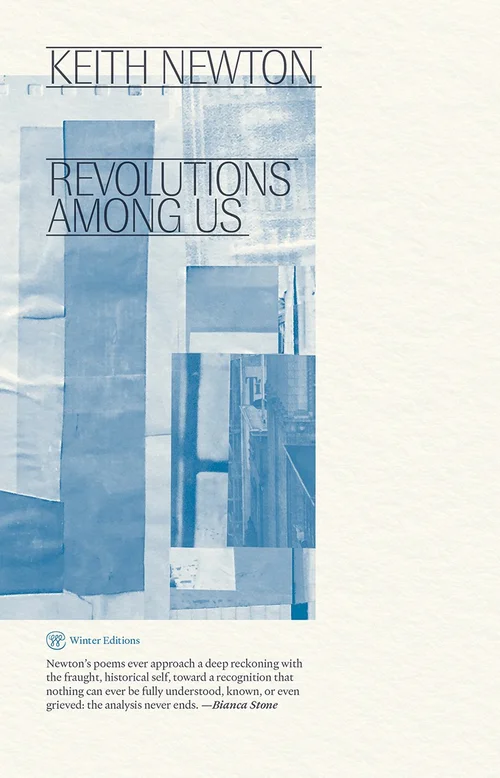
Revolutions Among Us

Moving from the elegiac to the cinematic to the essayistic, the poems in Revolutions Among Us draw on the many forms the past can take, as personal history diverges from collective memory. Newton's childhood in a psychotherapy cult in New York informs the book's struggles with belief and ideology, indoctrination and control, questioning our ability to interpret the world around us or to disentangle our thoughts and desires from those of others.


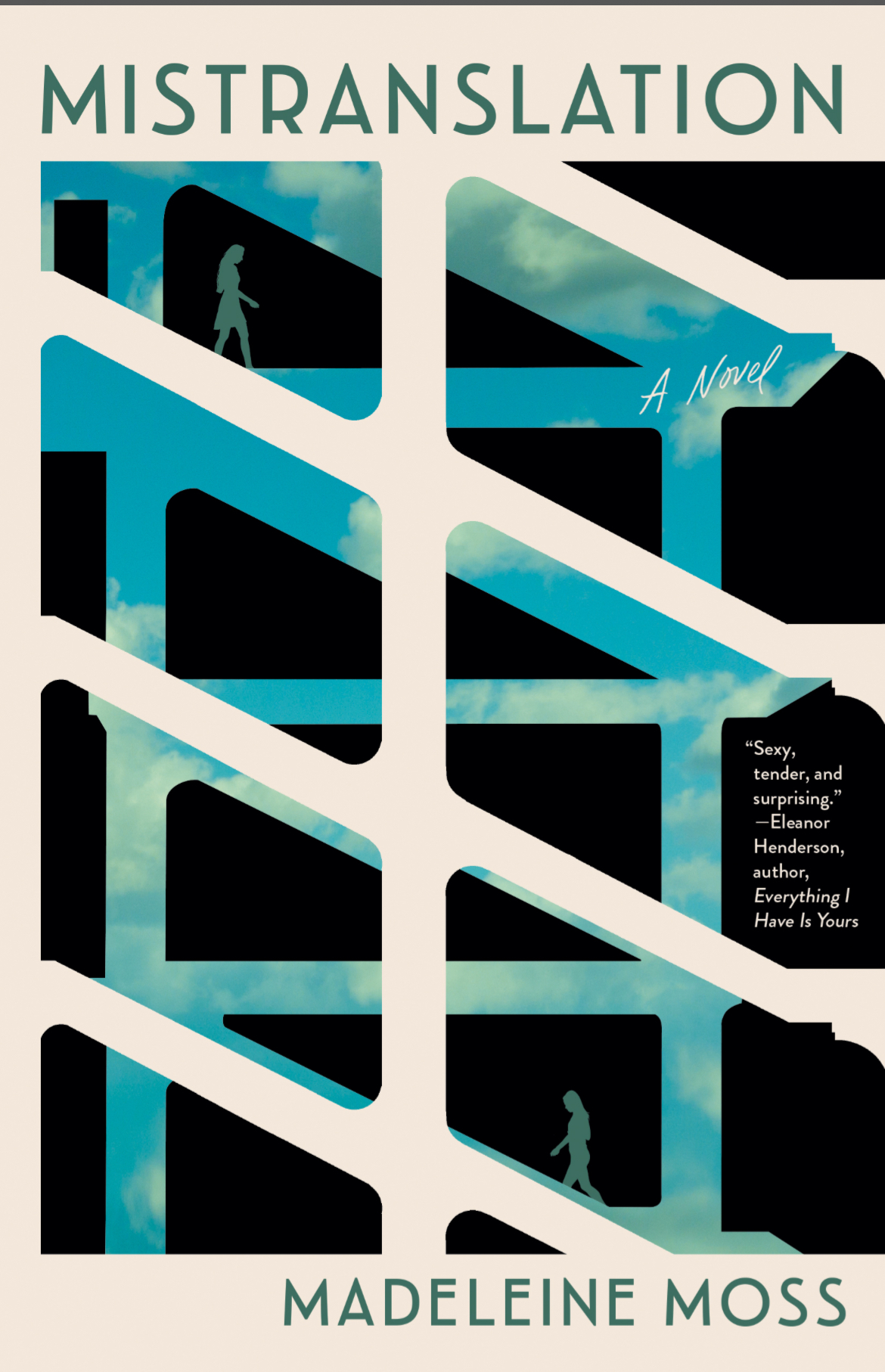
Mistranslation

In upstate New York in 2001, nine-year-old twins Sabina and Camilla spend the summer weathering the moods of their erratic mother while finding themselves pulled toward diverging interests: Sabina into the mystery of their absent French father and Camilla into burgeoning popularity. But their lives are shaken up by the arrival of an Arab French family across the street. Thrilled by what she sees as a link to the country of her origins, Sabina attempts to befriend the family’s son, Khalil, and is rebuffed for reasons she doesn’t understand.

Yet as the twins and Khalil come of age, they are drawn into a tense and ever-shifting triangular dynamic. As Sabina strives to find her father and make sense of her mother, as Camilla confronts whether the power she held in youth translates to adulthood, and as Khalil reckons with the psychological fallout of a family tragedy, their paths converge in ways both surprising and inevitable. Bookended by events with global resonance, Mistranslation is a continent-spanning chronicle of family, inheritance, and the reverberations of the choices we do—or don’t—make.

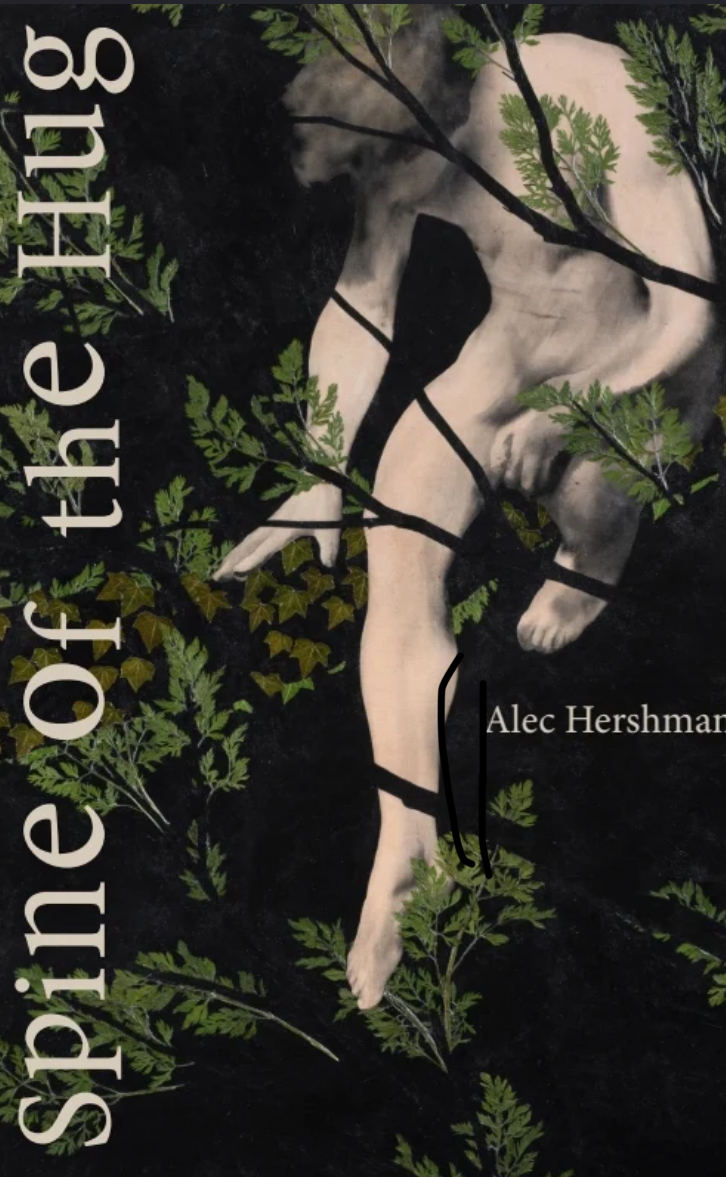
Spine of the Hug

In Alec Hershman's Spine of the Hug, the speaker moves between both intimate and vast landscapes, from hospital corridors to Kentucky caves, from childhood ponds to adult solitude, in voices that are unflinching, vulnerable, and remarkably original. These poems recall the body's memories through seemingly diametric moments of devotion and abandonment, tracing the invisible architecture of intimacy. They ask what it means to be held and what it costs to let go. "No one knows how the past will end," and in that uncertainty lies the fierce beauty of this collection. The language behaves like water: still, rushing, clear, or cloudy. 


Nebraska

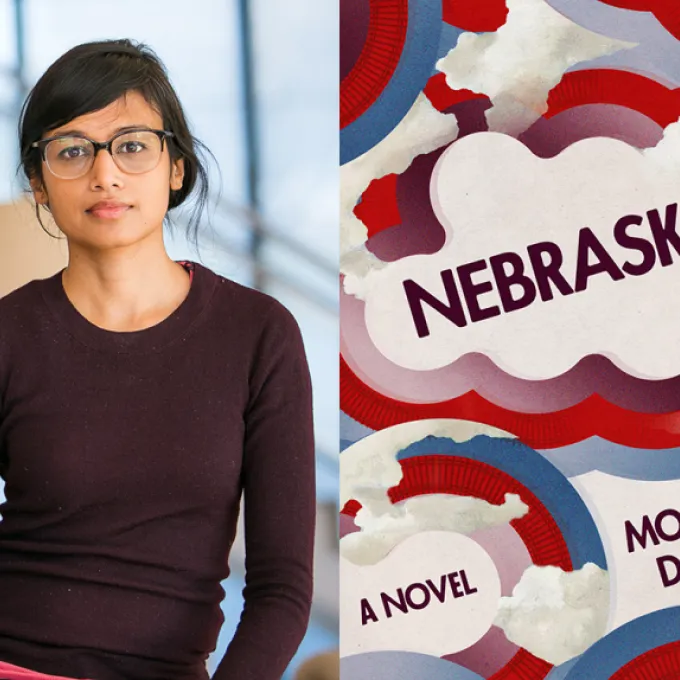
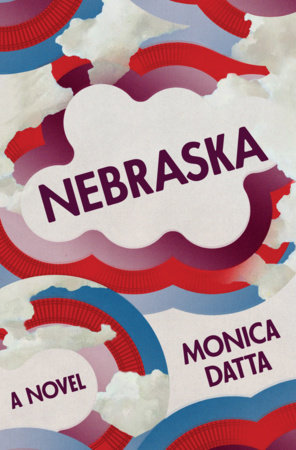
Anna Chatterjee has just been released from prison. Her husband, Prabir, has arrived to take her home and found her already gone; their flighty and artistic grown children, Neal and Nina are left to navigate the fallout both from Anna’s disappearance and the trauma that splintered their lives years earlier. But as the story ricochets between past and present, the question looms: Where is Anna now?

As the story moves between decades and continents, Monica Datta considers the twentieth century experiment and its outcomes, often set against the testimony of the spritely Lacanian Jean-Louis Katz, whose life becomes entangled with their own as well as that of the Bengali psychoanalyst B.X. Roy.

With precision, range and deep emotional insight, Nebraska is an all-enveloping fictional experience not to be missed. It is a novel of characters who, while deeply separate, respond to the irresolvable questions that make us human.

The Au Pair

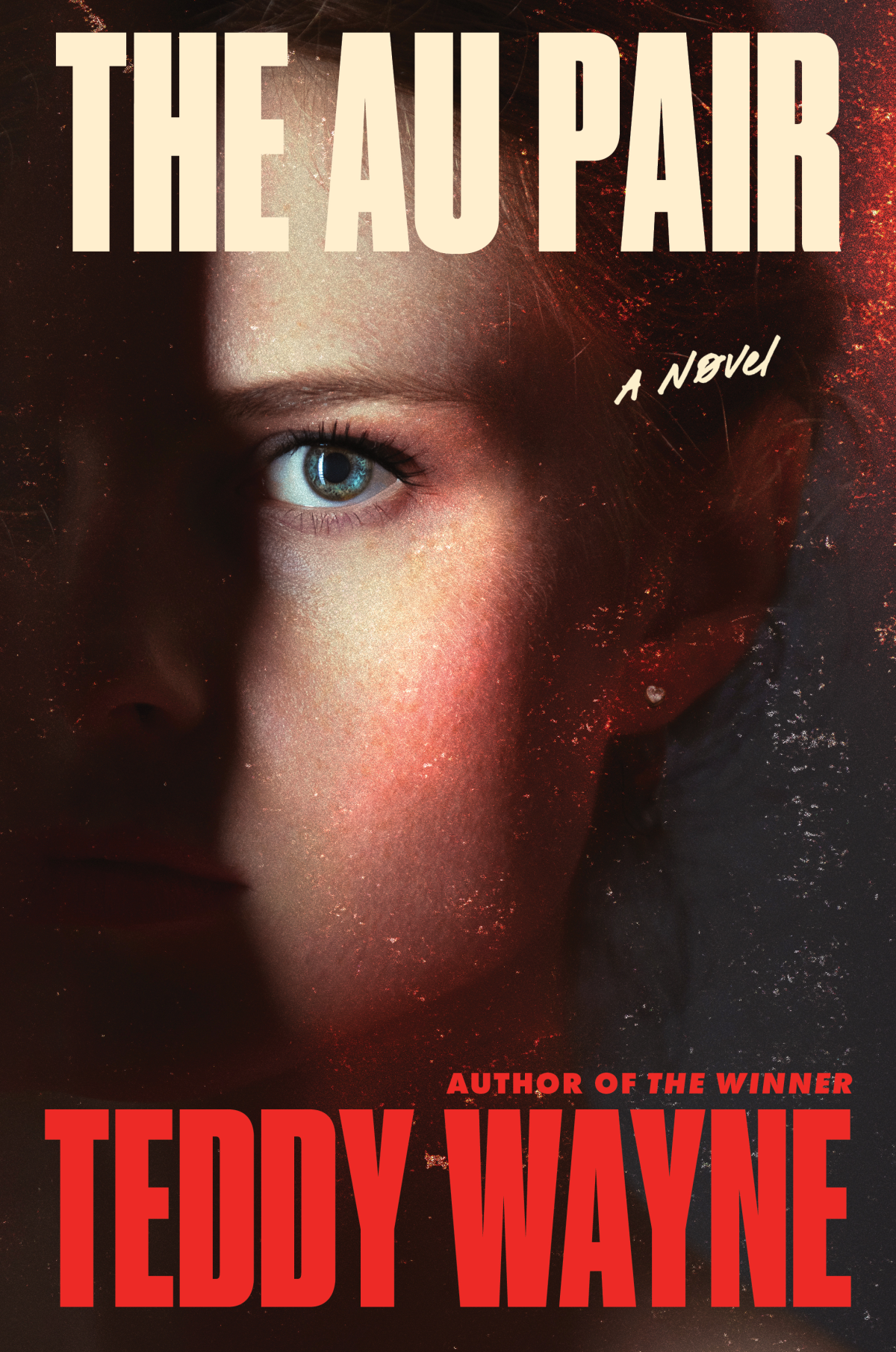
Steven Hammer was once a literary star. Now, his career is floundering, his marriage to a high-powered woman is crumbling, and the only bright spot in his life is Astrid, the Norwegian au pair who cares for their children-and reveres his neglected novels. But what begins as a secret infatuation soon spirals into a scandal that makes them both infamous.

As a headline-grabbing trial captivates the world with a salacious story of sex, power, and betrayal, Steven must confront the wreckage he's created-and the deeper insecurities that fueled it. Is Astrid an innocent young woman caught up in a case beyond her control, or a calculating femme fatale? And how far will he go, driven by desperation and obsession, for her professed love?

A Barer Sky

Drawing on sources from Dostoyevsky to Boyz n the Hood, Emerson to Olson, the Puritans to Honda Civics, Solin’s poems and essays ask what it means to write in a world of lush and violent textuality. Elision, evasion, and allusion resolve in form and familiarity, then come undone. Always on the wrong side of the tracks, Solin moves through perspectives beyond the human, from the inanimate to the entomological, the etymological to the world-historical. When tragedy strikes, the world shatters into clarity. 

All There Is to Lose

Growing up in a Tibetan autonomous town in southwest China, Heung reconstructs the first ten years of his life in a village that now lives only in memory. Written in an acquired language, these poems navigate the complex architecture of loss—from the passing of a beloved grandmother to the permanent estrangement from a shifting homeland.
Rather than offering comforting nostalgia, Heung’s landscape is sharp and unsparing. Here, mountains and rivers do not merely frame the scenery; they carry the weight of departures, ghosts, and volatile seasons. Celebrated poet Ilya Kaminsky praises the collection as a masterclass in the ancient poetic mode of "breaking bread with the dead," using Language to breathe temporary life back into what has been taken away.

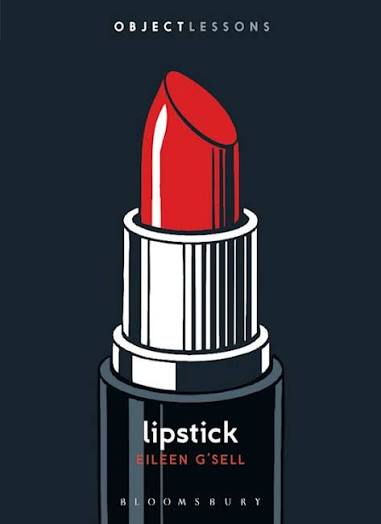
Lipstick

From Revlon to Glossier, from Marilyn to Gaga, lipstick is as shape-shifting and unwieldy as femininity itself. 

Who wears lipstick today – as a matter of routine? And for those who do, is it out of obligation to a strict feminine standard, or some other reason entirely? Lipstickreconsiders the beauty world's most conspicuous – and contentious – tool of artifice. Tossing expired ideas about femininity like so many tubes of melting wax, Lipstick explores how self-adornment can be a source of play, pleasure, and transformation, as well as how lipstick can knock gender norms off balance.

Cryptid

Annah Browning’s poetry collection Cryptid takes on weird phenomena and real desire. In these pages, a young woman from the rural South longs to be abducted by aliens; a female sasquatch spies on human families and pines for love; a Chinese spy balloon is heartbroken by being shot down. Through these personas and a host of strange happenings from American folklore, Cryptid probes the longing for something more buried at the heart of the lives of women and those deemed “other” by an unjust world. By turns irreverently funny, grotesquely bodily, and eerily heartbreaking, Cryptid insists on the beauty of the unseen and the disbelieved.

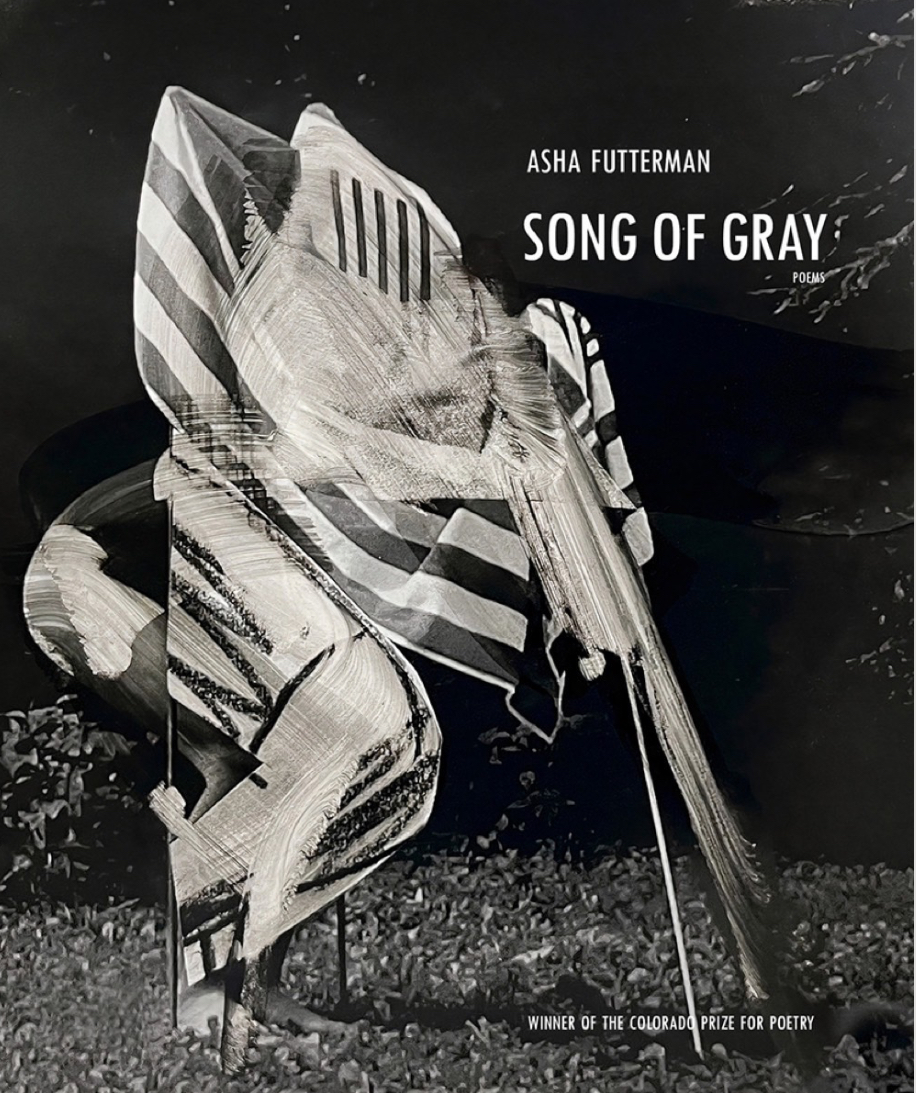
Song of Gray

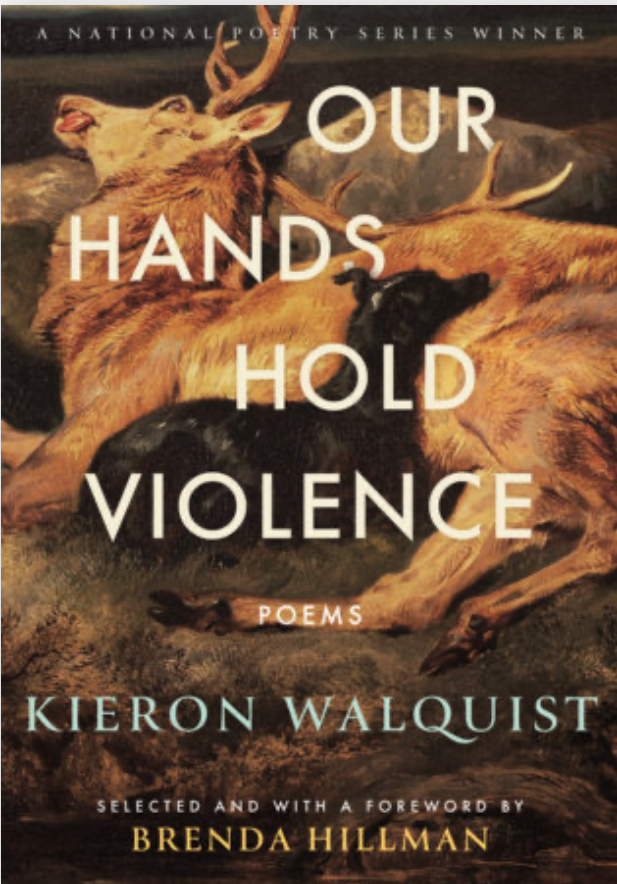
Our Hands Hold Violence


What does it mean to hunt (be hunted), haunt (be haunted), and other (be othered)? Abiding by a chronological arc told in four movements (HERE, THERE, TOGETHER, ALONE), OHHV follows the speaker(s) as they come up in the Show Me State and come to terms with queerness, mental disability, addiction, and loneliness in the largely Christian, conservative, and hyper-masculine landscape. Other themes / aspects of note include familial dynamics, estrangement, labor, neglected and decaying natures, waste, and the confluence of wildlife and mankind.

Comprised of traditional forms and modes such as the abecedarian, ekphrasis, sestina, and more hybrid configurations (billboards, bullet points, McDonald’s Monopoly stickers), as well as photographs, OHHV is interested, too, in changing/challenging structure and expectations. Thus, enacting a visual and figurative “violence” upon the page. Additionally, two poems are contained in a nonce (invented) form called “Shakes,” where strophes traverse between left and right points, while the middle column is constructed or cataloged by similar sounds—a form inspired by the author’s own reality of stimming (i.e. pacing) and echolalia.

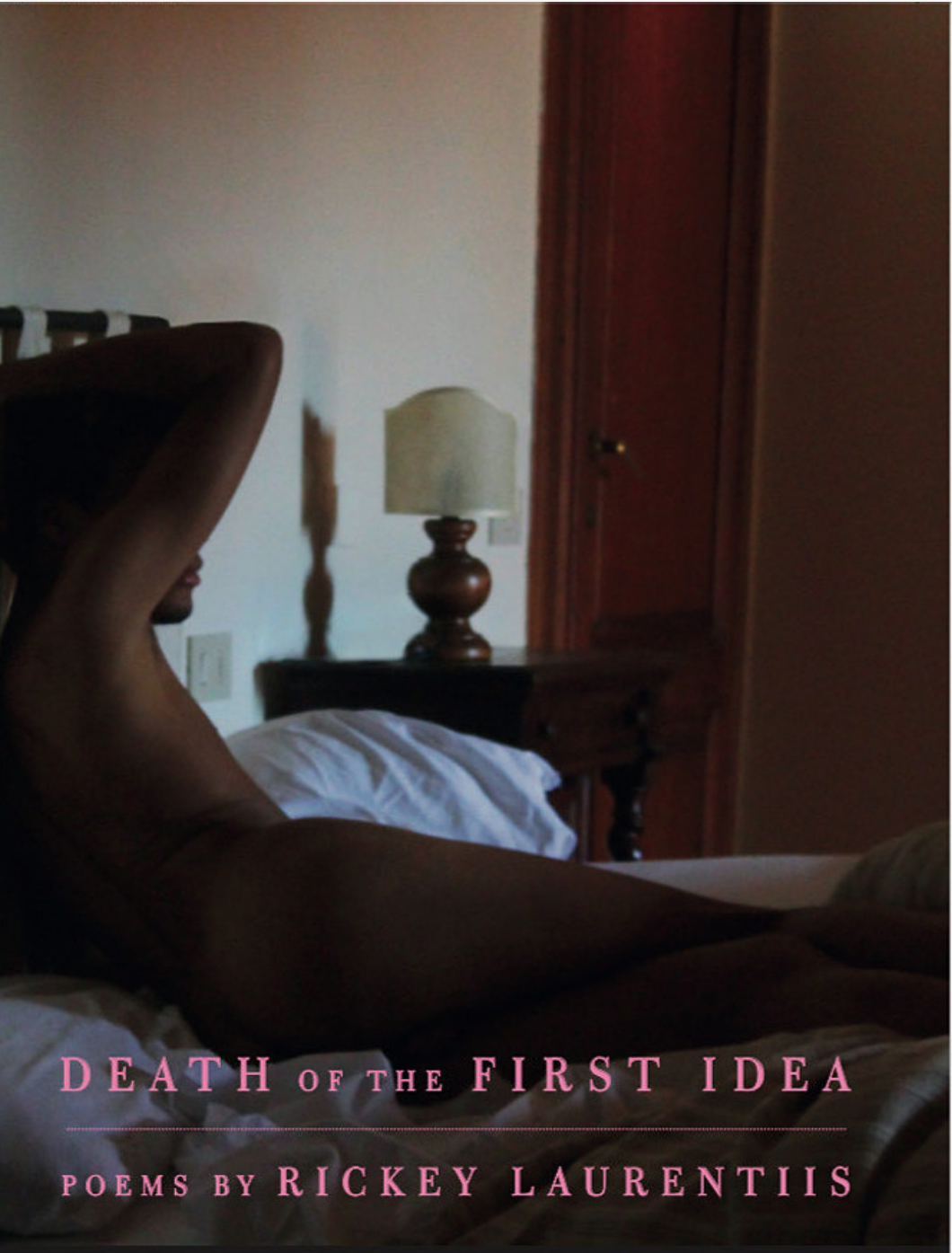
Death of the First Idea

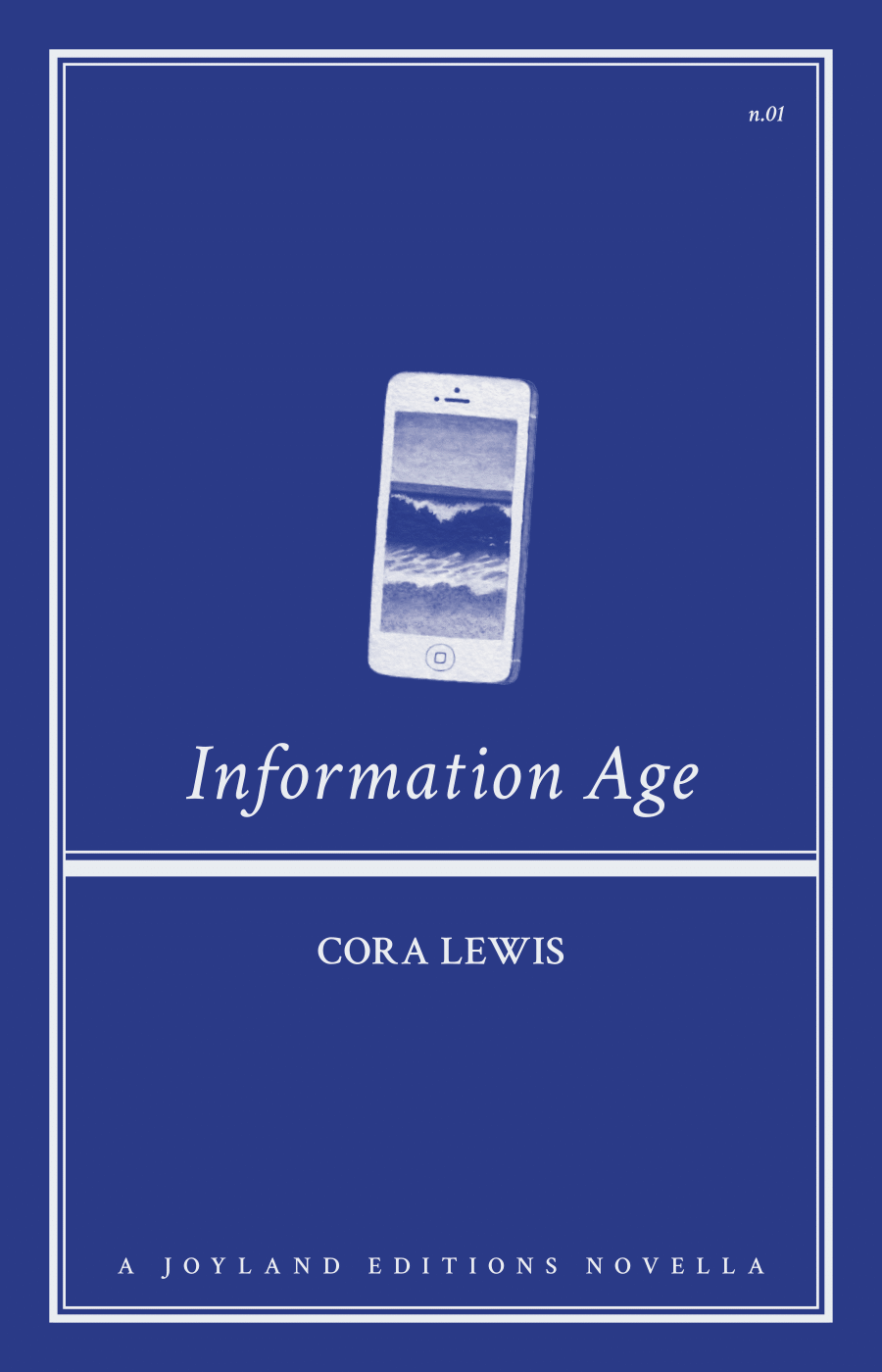
Information Age

How can you stand it?” a man asks a woman, seated on a building’s stoop as I pass by. The air is still and warm, conducting sound.

“First of all,” she says, “I can’t.”

The narrator of Information Age is a journalist at an online news site reporting on technology, the economy, and politics in the late 2010s. The rate of increasingly short news cycles shapes her working life and her personal life, as she assumes the role of reporter while talking with engineers, analysts, wonks, artists, writers, musicians, friends, family, and lovers. Told in vignettes and dialogue—overheard and divulged—Information Age is spare, funny, and attentive, a playful blurring of public and private life.

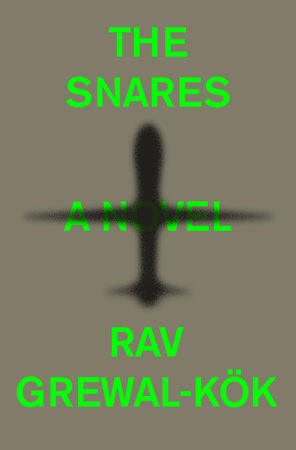
The Snares

In the waning months of George W. Bush’s presidency, Neel Chima, a former naval officer and federal prosecutor, is recruited to join a new federal intelligence agency—one with greater than usual powers and fewer than usual restrictions. Neel soon finds himself intimately involved in the surveillance of domestic terrorism suspects and the selection of foreigners for drone assassination—men who often look just like his Sikh family members. As both his ambitions and his moral qualms mount, he is drawn farther and farther away from his wife and two young daughters. When he makes a critical mistake at work, he is left vulnerable to shadowy figures in the intelligence world who seek to use him in their own, still more radical counterterrorism missions. If he agrees, the world of power will open up even wider to him. If he doesn’t . . .

Is Neel an insider or an outsider? The hunter or the hunted? An idealist or a mercenary? What truths, and whose lives, is he willing to sacrifice? The novel plunges readers into the human turmoil behind the faceless operations—the torture, secret assassinations, and drone strikes—of the American security state, creating an eye-opening meditation on morality, violence, and the price of a human soul.

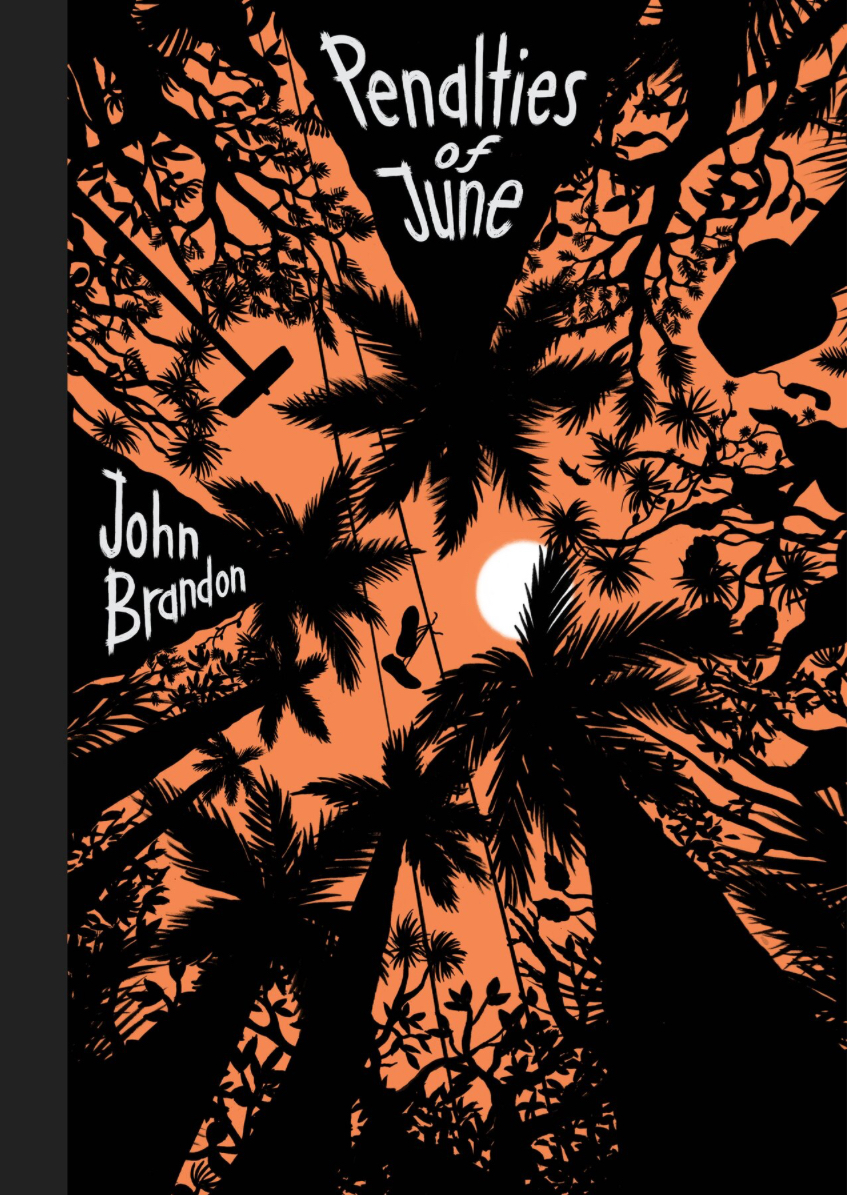
Penalties of June

The millennium is drawing to a close. Pratt, a young Floridian who’s just finished a prison sentence he both did and didn’t deserve, is looking to start a new life. But will he be able to shake his shady past?

Francofilaments

Francofilaments by Eileen G'Sell is a poetic exploration of the intersections between Francophilia, feminism, and cinema. Informed by her work as a culture critic, the collection is marked by a blend of sharp wit, inventive wordplay, and a candid voice that traverses themes of desire, sex, and loss. G'Sell's poems move with a rhythmic, almost cinematic quality, conjuring vivid imagery and unexpected juxtapositions that invite the reader into a world where the everyday and the extraordinary coalesce. With a deft hand, she captures the nuanced interplay of language, identity, and the ever-present allure of French culture, offering a fresh perspective on what it means to navigate modern womanhood.

The Last Unkillable Thing

This collection holds a mirror to the self and in its reflection we find the elegiac and the ecological, as in "how much of enjoying a place / is destroying it?"; the worlds both domestic and natural, as in "when the redbird strikes the window, it is me / who takes blame"; a daughter shattered, but not without humor--"I can feel it coming on, my season of lavish suffering, the why me why me why me why me / that leaves me snowblind in the asking"--and, certainly, not without tenderness. Shaped by both concision and unfolding sequences, The Last Unkillable Thing is a journey across landscapes of mourning.

Small Rain: A Novel

A poet's life is turned inside out by a sudden, wrenching pain. The pain brings him to his knees, and eventually to the ICU. Confined to bed, plunged into the dysfunctional American healthcare system, he struggles to understand what is happening to his body, as someone who has lived for many years in his mind.

This is a searching, sweeping novel set at the furthest edges of human experience, where the forces that give life value―art, memory, poetry, music, care―are thrown into sharp relief. Time expands and contracts. Sudden intimacies bloom. Small Rain surges beyond the hospital to encompass a radiant vision of human life: our shared vulnerability, the limits and possibilities of sympathy, the ideal of art and the fragile dream of America. Above all, this is a love story of the most unexpected kind.

Tone-Bone

Your Dazzling Death

Written in the devastating aftermath of a partner’s suicide, this unprecedented collection is a restorative memorial act, an exploration of queer time, and a powerful expression of nonbinary and trans love in the wake of traumatic loss.
“suddenly a brilliant red-tailed star / flew across the sky, a sun reversing time, / I crossed one world to another / I stood with her in the other world”

In Your Dazzling Death, Cass Donish courageously summons the poems to witness their own state of “obliteration,” widowed by suicide and isolated as a global pandemic is unfolding. Elegizing their partner, the poet Kelly Caldwell, they insist that the intimate, ongoing conversation with a beloved mysteriously continues after loss.

With searing vulnerability and profound perceptiveness, Donish finds a fierce new aesthetic for the disorientation of grief. “Let me paint this / entire country / the colors of your face,” they write, unearthing the wild and shifting scale of mourning. Donish affirms the beauty of their lover’s trans becoming, recalling when they “sounded out / your new potential names / until we found those syllables / that tasted, you said, like honey.” In the sequence “Kelly in Violet,” the centerpiece of this collection, the shattering experience emerges in conversation with the work of Uruguayan poet Marosa di Giorgio, whose words appear in ghostly traces.

Your Dazzling Death ritualizes the work of grief and subverts linear time, asserting that the future will forever be informed by a monumental love that is still alive, not only in the past, but in an imagined space of timelessness where love and grief are inevitably intertwined.

The Exit Is the Entrance

Starting work at just fourteen, Lydia Paar has held an impressive array of jobs—twenty-seven in total—across twenty-five homes in eight states. This collection of essays delves into her efforts to navigate and redefine the lower-middle-class American experience across a variety of urban and rural settings. From the bustling streets of Portland to the barren deserts, from Army basic training to long-distance bus rides, and even to the somber St. Louis funeral homes, Paar's journey is one of seeking peace, connection, and freedom.

Each essay examines the internal emotional labor involved in her journey: the work of love and friendship, learning, movement, maintenance, and faith in the potential for positive change. Traversing diverse interior and exterior landscapes, Paar reflects on subcultures, agendas, violence, alliances, and the interplay between the natural world and human endeavors. Ultimately, she contemplates how our attempts at transformation often lead to our own transformation.

The Wedding People

It's a beautiful day in Newport, Rhode Island, when Phoebe Stone arrives at the grand Cornwall Inn, dressed in a green dress and gold heels, carrying no bags and arriving alone. Mistaken by everyone in the lobby for one of the wedding guests, Phoebe is actually the only person at the Cornwall not attending the big event. She has dreamed of coming here for years, hoping to shuck oysters and take sunset sails with her husband. Instead, she's here alone, at rock bottom, determined to have one last indulgent splurge on herself. Meanwhile, the bride has meticulously planned every detail of the weekend, accounting for every possible disaster except for Phoebe and her unexpected plans. This makes it all the more surprising when the two women find themselves confiding in each other.

In Alison Espach’s The Wedding People, absurd humor and tender moments intertwine, offering a nuanced and resonant look at the winding paths we take to places we never imagined, and the chance encounters that can reroute our lives.

Circadia

Worlds ring softly
with the blows of the past

Circadia is a shattering testament to the fragility of life. With visionary imagination and rapt musicality, this concluding volume in Bishop’s award-winning trilogy on time sings in the mind long after reading.

The Winner

Conor O'Toole has never experienced anything like Cutters Neck, a gated community near Cape Cod. It's a sweet summer deal: in exchange for tennis lessons, he receives free lodging in a luxurious guest cottage, far from the cramped Yonkers apartment he shares with his diabetic mother.

In this oceanfront paradise, new clients are hard to come by, and Conor has bills to pay. When Catherine, a sharp-tongued divorcée, offers double his usual rate, he soon realizes she expects additional, off-court services for her money. Conor tumbles into a secret erotic affair unlike anything he's experienced before.

Despite his steamy flings with a woman twice his age, he simultaneously finds himself falling for an artsy, outspoken girl he meets on the beach. With cautious, strategic planning, Conor somehow manages this tangled web—until he makes one final, irreversible mistake.

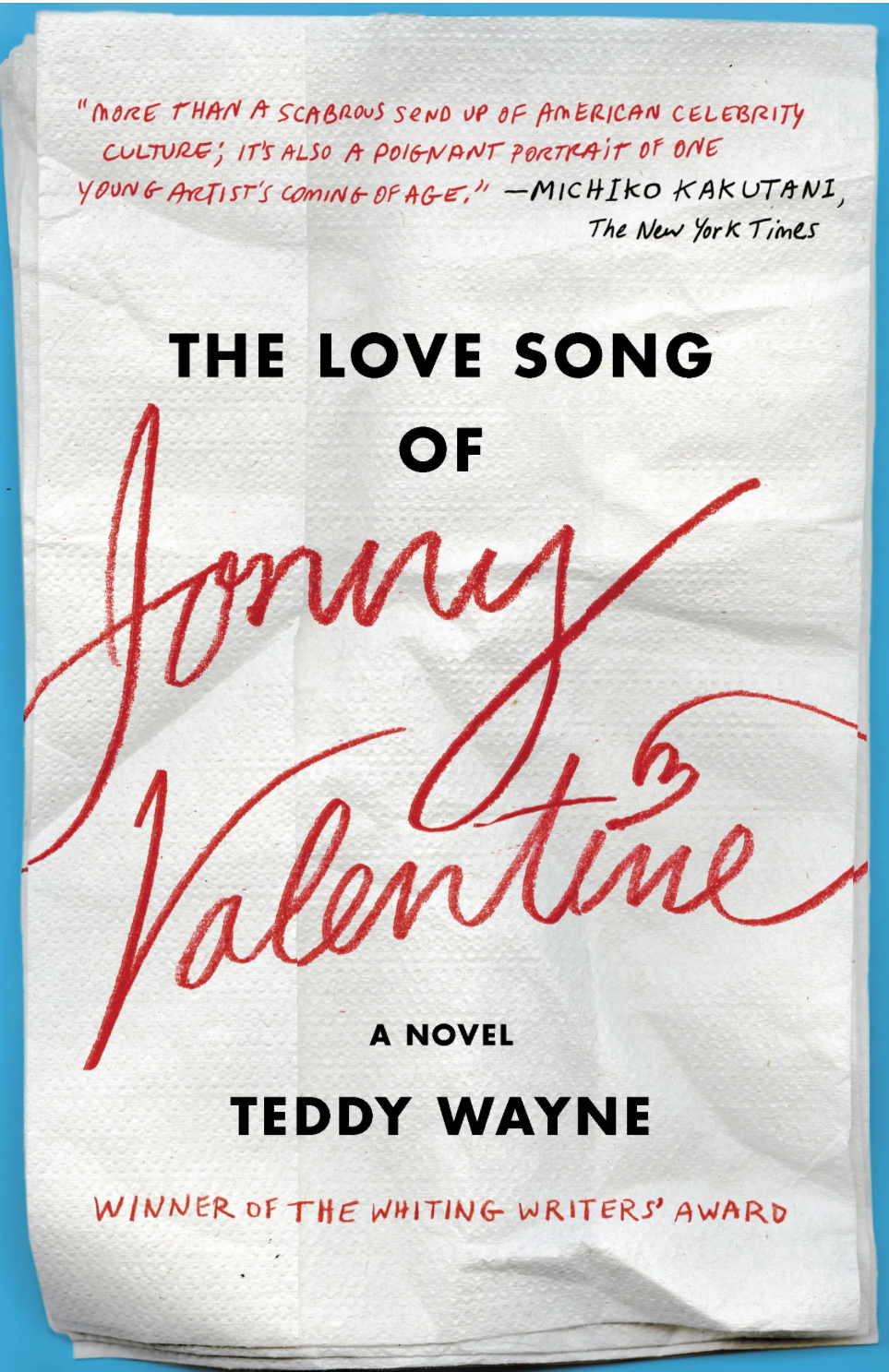
A dark, explosive literary thriller that brilliantly skewers the elite, Teddy Wayne's unputdownable novel is cinematic, shocking, and a psychological masterpiece.

Felling

This collection is a record of one man’s navigation of loss, addiction, and labor. At once a meditation on the allure of a legacy in self-destruction and a giving over to hope, Felling is an exploration in honesty. Rendered in direct language and through clear eyes, this book, as its title indicates, is concerned with tensions of agency, creation, and destruction— upward and downward motion. 

The Ill-Fitting Skin

The Ill-Fitting Skin is layered with surreal story telling but remains an extraordinarily realistic read, in the sense that even the most solid realities of life—and death—tend to blur and shimmer at their raw edges. The talkative bird that nests in a woman’s womb is as real as the “previous tenant.” The love of a mother for her uncontrollable son is as real as the wildness that is in her too. The women of The Ill-Fitting Skin are real women—who work and grieve and create and destroy, who love and do not love, whether at the roll of the dice or because “the pages are paths, and you will have to choose among them.”

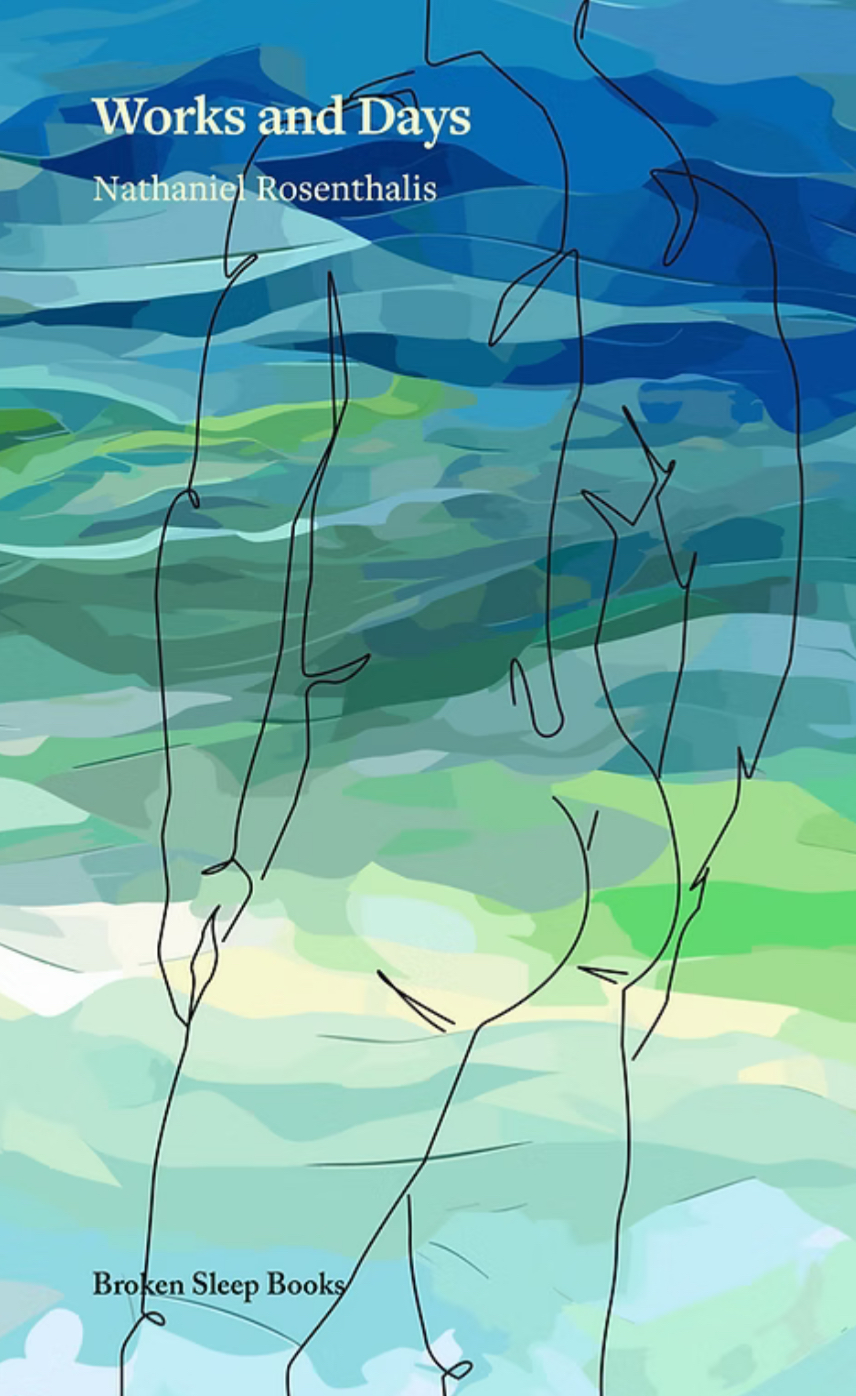
Works and Days

Nathaniel Rosenthalis’ Works and Days is a brilliant, lyrical, and exuberant collection of poems. Playful, tender, and often wise, these works combine self-portraiture, literary homage, familial anecdotes, mythological retellings, and philosophical contemplation to create a series of moving depictions of what it is to be human and part of a world of both great suffering and great joy. With humor, intelligence, and vulnerability, the poems examine themes of love, loss, beauty, language, and the meaning of art and art making. Works and Days is a work of great depth and heart.

Mothership

A dazzling, evidence-based account of one man’s quest to heal from complex PTSD by turning to endangered coral reefs and psychedelic plants after traditional therapies failed—and his awakening to the need for us to heal the planet as well.

Professor Greg Wrenn likes to tell his nature-writing students, “The ecological is personal, and the personal is ecological.” What he’s never told them is how he’s lived out those correspondences to heal from childhood abuse at the hands of his mother.


Weaving together memoir and cutting-edge science, Mothership is not just a queer coming-of-age story. It’s a deeply researched account of how coral reefs and a psychedelic tea called ayahuasca helped Greg heal from complex PTSD—a disorder of trust, which makes the very act of bonding with someone else panic-inducing. From the tide pools in Florida where he grew up, to Indonesia’s Raja Ampat archipelago and the Amazon rainforest, this is his search for wholeness when talk therapy and pharmaceuticals did little to help. Along the way, as his ecological conscience wakes up, he takes readers underwater to the last pristine reefs on earth, and into the psyche.

Written with prophetic urgency, Mothership ultimately asks if doses of nature will be enough to save us before it’s too late.

Thieving Sun

In this searing debut novel, for readers of Katie Kitamura and Rachel Cusk, the tragic aftermath of a youthful relationship years after its end brings the life of a mourning woman in New York–and the pursuit of art–into stark relief.

Told in short passages through a musical device, this international story follows Julienne and Gaspar to Syria, China, Germany and elsewhere.

Julienne, a student of sculpture, and Gaspar, a young composer, fall in love at a small college and share a home for more than a decade before encountering the fundamental rift that will change their lives. The reverberations of grief force Julienne to confront her painful past including the mystery of her own birth and the fantastical story ascribed to it by her flight attendant mother, so that she can envision, for the first time, a real future.

Ultimately, Thieving Sun is a profound and contemporary meditation on art, grief, debt, suicide, loss, and the danger of being alive.

Mother Doll

Zhenia is adrift in Los Angeles, pregnant with a baby her husband doesn't want, while her Russian grandmother and favorite person in the world is dying on the opposite coast.

She's deeply disconnected from herself and her desires when she gets a strange call from Paul, a psychic medium who usually specializes in channeling dead pets, with a message from the other side. Zhenia's great-grandmother Irina, a Russian revolutionary, has approached him from a cloud of ancestral grief, desperate to tell her story and receive absolution from Zhenia.

As Irina begins her confession with the help of a purgatorial chorus of grieving Russian ghosts, Zhenia awakens to aspects of herself she hadn't been willing to confront. But does either woman have what the other needs to understand their predicament?

Or will Irina be stuck in limbo, with Zhenia plagued by ancestral trauma, and her children after her?

Blessings

Obiefuna has always been the black sheep of his family—sensitive where his father, Anozie, is pragmatic, a dancer where his brother, Ekene, is a natural athlete. But when Obiefuna’s father witnesses an intimate moment between his teenage son and another boy, his deepest fears are confirmed, and Obiefuna is banished to boarding school.
As he navigates his new school’s strict hierarchy and unpredictable violence, Obiefuna both finds and hides who he truly is. Back home, his mother, Uzoamaka, must contend with the absence of her beloved son, her husband’s cryptic reasons for sending him away, and the hard truths that they’ve all been hiding from. As Nigeria teeters on the brink of criminalizing same-sex relationships, Obiefuna’s identity becomes more dangerous than ever before, and the life he wants drifts further out of reach.
Set in post-military Nigeria and culminating in the Same Sex Marriage Prohibition Act of 2013, Blessings is an elegant and exquisitely moving story that asks how to live freely in a country that forbids one’s truest self, and what it takes for love to flourish despite it all.

Ours

In this ingenious, sweeping novel, Phillip B. Williams introduces us to an enigmatic woman named Saint, a fearsome conjurer who, in the 1830s, annihilates plantations all over Arkansas to rescue the people enslaved there. She brings those she has freed to a haven of her own creation: a town just north of St. Louis, magically concealed from outsiders, named Ours.

It is in this miraculous place that Saint's grand experiment--a truly secluded community where her people may flourish--takes root. But although Saint does her best to protect the inhabitants of Ours, over time, her conjuring and memories begin to betray her, leaving the town vulnerable to intrusions by newcomers with powers of their own. As the cracks in Saint's creation are exposed, some begin to wonder whether the community's safety might be yet another form of bondage.

Set over the course of four decades and steeped in a rich tradition of American literature informed by Black surrealism, mythology, and spirituality, Ours is a stunning exploration of the possibilities and limitations of love and freedom by a writer of capacious vision and talent.

With Bloom Upon Them and Also with Blood: A Horror Miscellany

The “f**k” count is just over sixty. The images are screenshots. The metal is mostly nu. And the grant money’s gone. From the author of The Malevolent Volume and National Book Award–winning Indecency comes a gory new mutation in the shape of nonfiction and criticism.

In 2019, Justin Phillip Reed’s romantic maiden voyage through the waters of American poetry and its communities ran aground in the barrens of Pittsburgh, Pennsylvania, when he found himself with two years of writing time on the horizon and no social context to keep him afloat. In anxiety and estrangement soon deepened by global pandemic, popular fascism, virtual being, intestinal distress, and the obscenity of his own privilege as a university pet, he retreated to the comforts of horror films with no intent but diversion. What happened instead was this reckless, unprecious, in-process reckoning.

Backdropped by sprawling cemeteries, soundtracked by too much Type O Negative, and totally hung up on cameras, With Bloom Upon Them and Also with Blood is a chase and a trip where lyric essays, ekphrastic poetry, and lectures grapple with alienation, professional disillusionment, perversion, and internal contradiction under racial capitalism through playful and critical encounters with horror cinema and cultural iconography. 

Black Pastoral

Black Pastoral explores the complex duality of Black peoples' past and present relationship with nature. It surveys the ways in which our histories (both Black histories and natural/ecological histories), our suffering and our thriving, are forever wound around one another. They are painful at times and act as a salve at others. Ariana Benson's poems meditate upon the violence and tenderness that simultaneously characterize the entangling of the two, taking the form of a series of ecopoetic musings that re-envision these confluences.

The Leniad

Contradiction Days: An Artist on the Verge of Motherhood

For readers of Rachel Cusk and Maggie Nelson, the rapturous memoir of a soon-to-be-mother whose obsession with the reclusive painter Agnes Martin threatens to upend her life

Five months pregnant and struggling with a creative block, JoAnna Novak becomes obsessed with the enigmatic abstract expressionist painter Agnes Martin. She is drawn to the contradictions in Martin's life as well as her art--the soft and exacting brushstrokes she employs for grid-like compositions that are both rigid and dreamy. But what most calls to JoAnna is Martin's dedication to her work in the face of paranoid schizophrenia.

Uneasy with the changes her pregnant body is undergoing, JoAnna relapses into damaging old habits and thought patterns. When she confides in her doctor that she's struggling with depression and suicidal ideation, he tells her she must stop being so selfish, given she has a baby on the way, and start taking antidepressants. Appalled by his patronizing tone and disregard of her mental health history, JoAnna instead turns to Martin for guidance, adopting the artist's doctrine of joyful solitude and isolation.

JoAnna heads to Taos, where Martin lived for decades, and gives herself three weeks to model her hermetic existence: phone off, email off, no talking to her husband, no touching the dog. Out of a deep, solitary engagement with a remarkable artist's body of work emerges an entirely new way for JoAnna to relate to the contradictions of her own body and face up to the joys and challenges of impending motherhood.

The Wonder State

Five friends arrive back in Eternal Springs, Arkansas, the small town they all fled after high school graduation. Each is drawn home by a cryptic, scrawled two-word letter that reads, You promised. 

It has been fifteen years since the summer that changed their lives, and they’re anxious to find out why Brandi called them back, especially when they vowed never to return. 

But Brandi is missing. She’d been acting erratically for months, railing at whoever might listen about magic all around them. About a power they can’t see. And about strange houses that appear only when you need them . . .
 

The Good Ones

An engrossing work of literary suspense that illuminates the push and pull of female friendship and the costs of being good when the rules for women begin to chafe.

The last time Nicola Bennett saw Lauren Ballard she was scraping a key along the side of a new cherry-red Chevy Silverado. That was the night before her friend mysteriously vanished from her home, leaving a bloodstained washcloth and signs of a struggle—as well as her grieving husband and young daughter—behind.

Now, nearly twenty years later, Nicola, newly unemployed and still haunted by the disappearance of her childhood friend, is returning to her Appalachian hometown. For Nicola, Tyndall County has remained frozen in time. Everywhere she turns she’s reminded of Lauren. Yet shockingly, her former friends and neighbors have all moved on. Drawn to stories of missing girls, Nicola obsessively searches the internet, hoping to discover a clue to Lauren’s ultimate fate.

Driven by a desperate need to know what happened to her friend, Nicola takes a job in her hometown, determined to uncover any bit of information, any small clue, that can help. Deep down she knows the answers are tucked in the hollows and valleys of this small Blue Ridge county. As secrets come to light and the truth begins to unravel, will Nicola finally find release and break free of the past—or lose herself completely to unanswered questions from her adolescence?

Space Age Adventures - Over 100 Terrestrial Sites and Out of This World Stories

When people think about space travel, they usually look skyward. But much of spaceflight history happened down here on Earth. Space Age Adventures presents more than one hundred terrestrial sites across the United States related to space exploration, where enthusiasts can have their own space age adventures.

Before astronauts walked on the Moon, they trained at locations you can visit today—from NASA space centers and telescope observatories to impact craters and atomic testing grounds. Inside vast museum hangars, a visitor can walk beneath towering Saturn V rockets left over from the Apollo program or peer inside American and Soviet capsules. Elsewhere visitors can visit historic rocket pads, retired space shuttles, landed SpaceX boosters, and even watch scheduled launches.

Mike Bezemek brings the artifacts and spacecraft to life with interwoven true stories that collectively span the entire Space Age. These stories offer a deeper understanding of the adventures behind the famous images. The combination of terrestrial sites and true stories makes this book the perfect guide for having unique adventures and discovering one of the most dramatic eras in human exploration.

We Are A Teeming Wilderness

The stories in We Are a Teeming Wilderness imagines the past with a keen awareness of the present, and vice versa, through a collection of characters-from microorganisms to hosiery salesmen to clairvoyants-who are bizarre, familiar, pathological, comic, sympathetic, foolish, and wise, sometimes all at once. Readers will be transported to near and distant pasts and speculative realities, while captivated by anthropologies at once historical, mythic, scientific, and intimately personal.

Love Locks

Love Locks brings us into the landscapes of Walquist's youth in rural Missouri. These landscapes are physical and emotional terrains—filled with animals broken under human hands, the detritus of trash heaps, and torched homes—fields that articulate the devastation of rural poverty, the casualties of addiction, and the ways in which queerness survives in such hyper-masculine environments.

For a Second, in the Dark

For a second, in the dark, the flip-side of paranoia is wonder: enrapturing details Hershman's mind lights upon and transforms. His vigilant imagination shows us the town as it is, as we know it is, when we really stop to think about it.

Bargaining with the Fall

“Where do you find painlessness,” Alison Palmer asks in the opening line of her new poetry collection written in response to the accidental fall that first paralyzed her father, and ultimately killed him. It’s a question nearly all of us will ask eventually. Death being a universal experience, it’s the rare poet who can find a way to write of grief in an original way; but Palmer is that rare poet, and as we accompany her through her process of losing her father, we feel not only her specific loss, but the cavernous absence that results from every death.

 A man for whom “gravity / used to be your passion” is reduced to “Hospital / Creature, Room 802” (as we learn the meaning of “tetraplegia”); and then is reduced further to ashes that she wishes she could “form back into limbs that work.” “I failed / to save the whole of you,” she laments; but really, she does save him, for he lives vividly in her verse. There is a crushing moment when she recalls her favorite photo with him, “our foreheads / press together,” a gesture repeated near the end of his life when he asks her to “Put your head on mine, the only place left you can feel.” “I’m mostly made of bruises” she says at the close. So are we all, once life is done with us – that is, if we have been fortunate enough to be grazed by love, and its loss.

A Shiver in the Leaves

Nestled against the backdrop of Seattle's flora, fauna, and cityscape, Luther Hughes' debut poetry collection wrestles with the interior and exterior symbiosis of a gay Black man finding refuge from the threat of depression and death through love and desire.

Hughes draws readers into a Seattle that is heavily entrenched in violent anti-Blackness, and full of vulnerable and personal encounters from both the speaker’s past and present. With reverent and careful imagery, Hughes fashions deeply saturated, tender vignettes that reckon relationships between family and friends, lovers, nature, and the police-state.

A Shiver in the Leaves is stunningly cinematic in its layered portrayal of the never-ending dualities of a queer Black poet’s life in the city. Hughes's interrogation of selfhood renders a sharply intimate and viscerally powerful reimagining of what it means to be alive in a body, and what it can mean to live.

Coward

Meghan Lamb's "Coward" is an edgy and intense read, perfect for readers looking for something bold and different. The book explores themes of love and identity in a unique and thrilling way, blending elements of horror and romance. It's a vivid and daring story that pushes boundaries, offering a fresh perspective on coming-of-age tales. With a mix of zombies, intense relationships, and a gripping plot, "Coward" is a standout work that's both captivating and thought-provoking.

A Boy in the City

In this debut collection of poetry, the obscure and mundane collide, a fricassee of movement, the cosmopolitan, and intimacy.

The Great Man Theory

Paul is a recently demoted adjunct instructor of freshman comp, a divorced but doting Brooklyn father, and a self-desc­ribed “curmudgeonly crank” cataloging his resentment of the priorities of modern life in a book called The Luddite Manifesto. Outraged by the authoritarian creeps ruining the country, he is determined to better the future for his young daughter, one aggrieved lecture at a time.

Shockingly, others aren't very receptive to Paul's scoldings. His child grows distant, preferring superficial entertainment to her father's terrarium and anti-technological tutelage. His careerist students are less interested than ever in what he has to say, and his last remaining friends appear ready to ditch him. To make up for lost income, he moonlights as a ride-share driver and moves in with his elderly mother, whose third-act changes confound and upset him. As one indignity follows the next, and Paul's disaffection with his circumstances and society mounts, he concocts a dramatic plan to right the world's wrongs and give himself a more significant place in it.
 

Brace for Impact

A compelling and inspiring tale of how the vibrant world of roller derby enabled a young woman to overcome her fears and self-doubt, embracing a life filled with courage, kindness, and adventure.

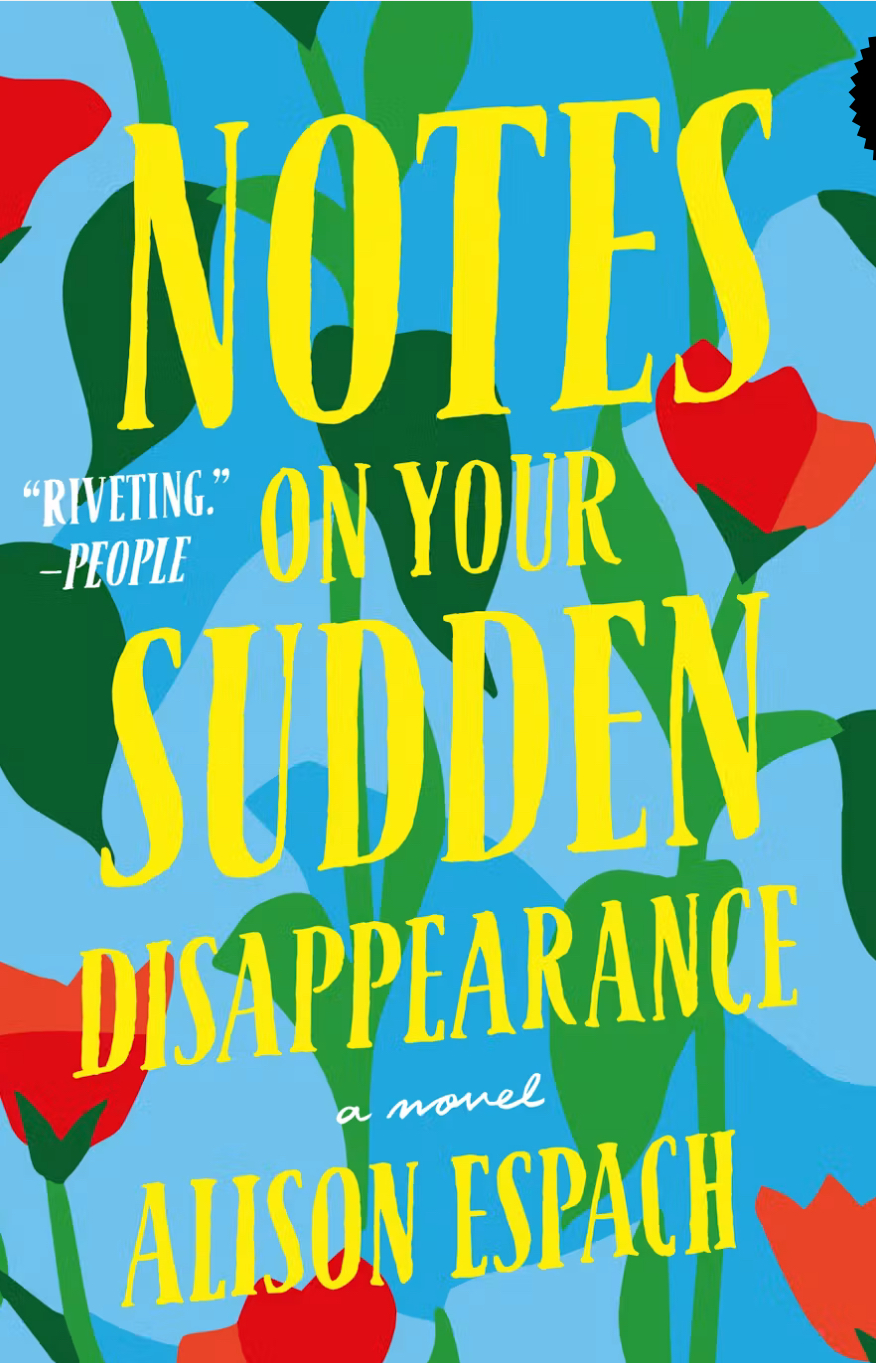
Notes On Your Sudden Disappearance

For much of her life, Sally Holt has been mystified by the things her older sister, Kathy, seems to have been born knowing. Kathy has answers for all of Sally’s questions about life, about love, and about Billy Barnes, a rising senior and local basketball star who mans the concession stand at the town pool. The girls have been fascinated by Billy ever since he jumped off the roof in elementary school, but Billy has never shown much interest in them until the summer before Sally begins eighth grade. By then, their mutual infatuation with Billy is one of the few things the increasingly different sisters have in common. Sally spends much of that summer at the pool, watching in confusion and excitement as her sister falls deeper in love with Billy—until a tragedy leaves Sally’s life forever intertwined with his. 

Opening in the early nineties and charting almost two decades of shared history and missed connections, Notes on Your Sudden Disappearance is both a breathtaking love story about two broken people who are unexplainably, inconveniently drawn to each other and a wryly astute coming-of-age tale brimming with unexpected moments of joy.

All the Flowers Kneeling

A profound reflection on physical, emotional, and psychological transformation in the wake of imperial violence and personal abuse, from a poet described as both “tender and unflinching” (Khadijah Queen).

Paul Tran's debut poetry collection, All the Flowers Kneeling, is visceral and astonishing. It delves into intergenerational trauma, sexual violence, and U.S. imperialism, fundamentally reshaping our perceptions of freedom, power, and control. Through poems exploring desire, gender, bodies, legacies, and imagined futures, Tran illuminates the intricate and harrowing processes of reckoning and recovery. Their innovative poetic forms echo the nonlinear emotional and psychological journeys of trauma survivors. At once grand and intimate, commanding and deeply vulnerable, All the Flowers Kneeling is a celebration of rediscovering and reconfiguring the self, ultimately standing as a powerful testament to human resilience, endurance, and love

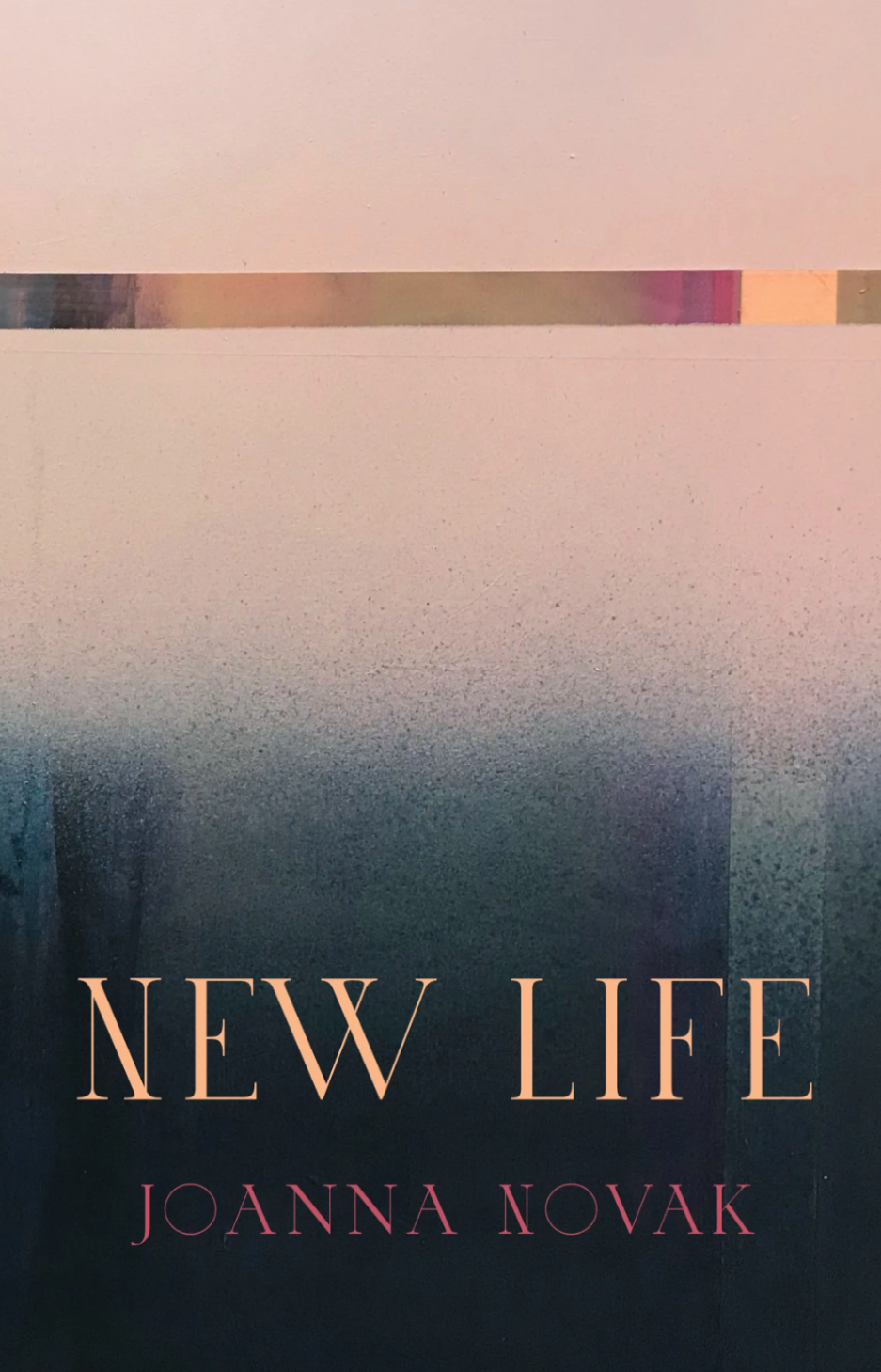
New Life

A subversive glimpse into the dark wildness of preparing for motherhood. New Life is a meditation on the changing/changeling body, wrought in lyric decadence. Novak leads a seductive tour through plashy islands, Great Lakes hideouts, cursed apartments, and castaway nightmares, sighting the baroque and the barren, and celebrating the romance of isolation amidst an interior of plenty.


Failure to Thrive

Failure to Thrive follows the interconnected stories of three families as they navigate issues of disability, illness, and substance abuse in a former coal town: a landscape that is itself sick. A married couple argues over how to raise their neuroatypical child. A former nurse cares for her aging father, processing guilt over her addiction. A young man returns home after experiencing a traumatic brain injury, rediscovering a space where the past and present bleed uncannily together. Meanwhile, a two hundred-year mine fire burns beneath the town, a whispering dread that pervades the atmosphere.

Mutiny

Mutiny: a rebellion, a subversion, an onslaught. In these poems, Phillip B. Williams rebukes classical mythos and Western canonical figures while embracing Afro-Diasporic folk and spiritual imagery. He conjures the hell of being erased, exploited, and ill-imagined, and through a powerful and generous vision, propels himself into life, selfhood, and a path forward. Intimate, bold, and sonically mesmerizing, Mutiny addresses loneliness, desire, doubt, memory, and the border between beauty and tragedy. With a ferocity that belies the tenderness and vulnerability at the heart of this remarkable collection, Williams honors the transformative power of anger and the clarity that comes from allowing that anger to burn clean.

Meaningful Work: Stories

In her lush, lyrical, and unflinching short fiction debut, JoAnna Novak examines the restless throb of desire amid the rote work of jobs and obligations, from the walk-ins of a New York banquet kitchen to the pier of Venice Beach. Fueled by jellyfish pad Thai and Necco wafers, Mountain Dew and Xiaolongbao, the characters in these stories defy boundaries and mores: In “MEMO 19,” a former anorectic, bored of recovery and her clerical job, invites an unparalleled act of sexual defilement and in “Rio Grande, Wisconsin,” a fleshly preteen fantasizes about Bill Murray on a family vacation to Wisconsin. Celebrating the grueling beauty of the shift and the ticking virtues of self-restraint, Meaningful Work is a pageant of formal experimentation, in fearless, glittering prose.
 

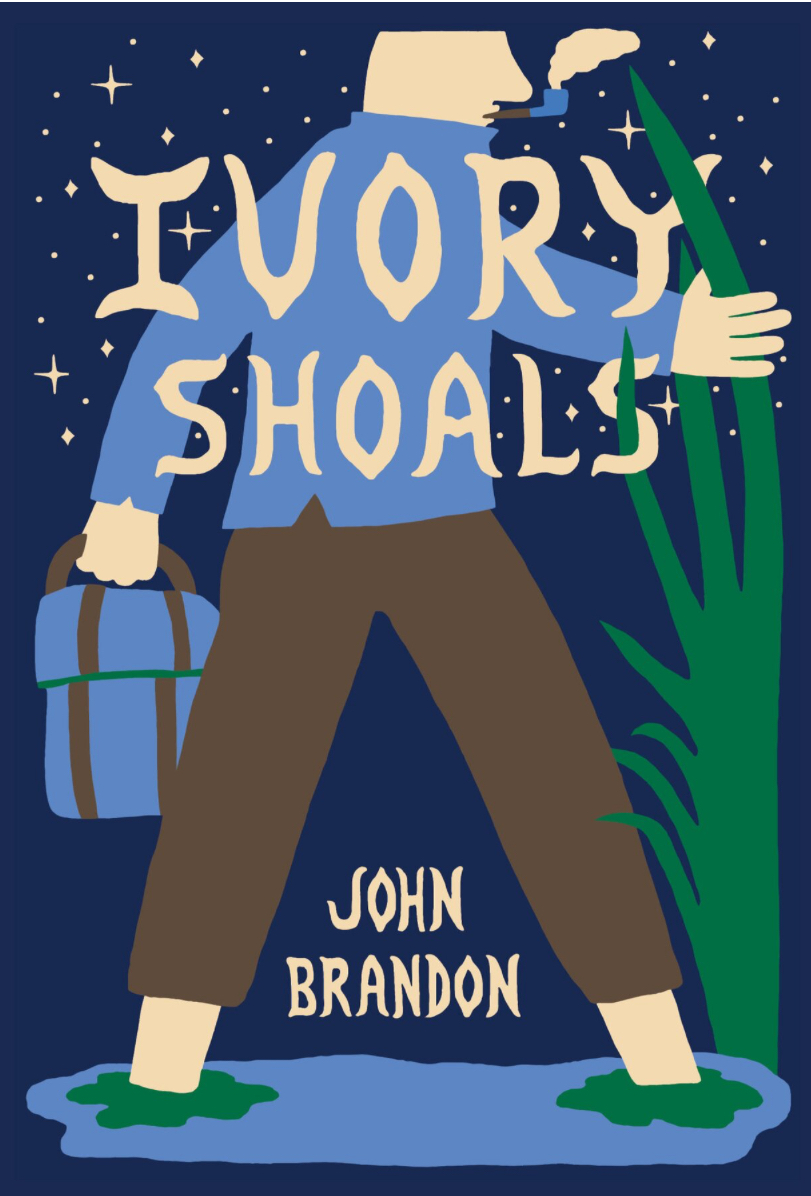
Ivory Shoals

Twelve-year-old Gussie Dwyer—audacious, resilient, determined to adhere to the morals his mother instilled in him—undertakes to trek across the sumptuous yet perilous peninsula of post-Civil War Florida in search of his father, a man who has no idea of his son’s existence. Gussie’s journey sees him cross paths with hardened Floridians of every stripe, from the brave and noble to a bevy of cutthroat villains, none worse than his amoral shark of a half brother. Will he survive his quest, and at what cost?

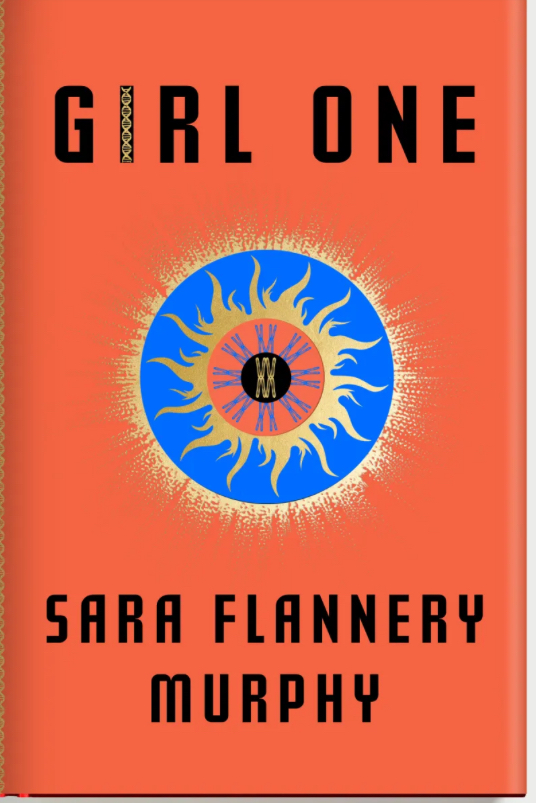
Girl One

Josephine Morrow is Girl One, the first of nine “Miracle Babies” conceived without male DNA, raised on an experimental commune known as the Homestead. When a suspicious fire destroys the commune and claims the lives of two of the Homesteaders, the remaining Girls and their Mothers scatter across the United States and lose touch.

Years later, Margaret Morrow goes missing, and Josie sets off on a desperate road trip, tracking down her estranged sisters who seem to hold the keys to her mother’s disappearance. Tracing the clues Margaret left behind, Josie joins forces with the other Girls, facing down those who seek to eradicate their very existence while uncovering secrets about their origins and unlocking devastating abilities they never knew they had.

The Last Unkillable Thing

This collection serves as a mirror to the self, reflecting themes of elegy and ecology, as seen in lines like "how much of enjoying a place / is destroying it?" It explores both domestic and natural worlds, capturing moments such as "when the redbird strikes the window, it is me / who takes blame." The work portrays a daughter's fragmented experience, yet retains humor: "I can feel it coming on, my season of lavish suffering, the why me why me why me why me / that leaves me snowblind in the asking." Through concisely crafted and unfolding sequences, The Last Unkillable Thing navigates landscapes of mourning with tenderness.

Witch

Poems merge queer ecopoetics with religious disposition, speaking through a pantheon of mythic figures—from Jesus to Aphrodite—to commune or contend with reality. What emerges is a cumulative awareness of being a physical, energetic body in a fractured world, attempting to heal some part of it while exploring and embracing the gray areas of identity and ambiguity.

The Malevolent Volume


The Malevolent Volume explores the myths and transformations of Black being, ranging from the monstrous to the sublime.

National Book Award winner Justin Phillip Reed subverts celebrated classics of poetry and mythology while examining horrors from contemporary film and cultural realities. He engages darkness as an aesthetic to conjure the revenant animus lurking beneath the exploited civilities of marginalized people. In these poems, Reed finds agency in the other-than-human identities assigned to those brutalized by state savagery. By doing so, he summons a retaliatory, counterviolent Black spirit to revolt and to inhabit the revolting.

Beheld

Ten years after the Mayflower pilgrims arrived on rocky, unfamiliar soil, Plymouth is not the land its residents had imagined. Seemingly established on a dream of religious freedom, in reality the town is led by fervent puritans who prohibit the residents from living, trading, and worshipping as they choose. By the time an unfamiliar ship, bearing new colonists, appears on the horizon one summer morning, Anglican outsiders have had enough.

With gripping, immersive details and exquisite prose, TaraShea Nesbit reframes the story of the pilgrims in the previously unheard voices of two women of very different status and means. She evokes a vivid, ominous Plymouth, populated by famous and unknown characters alike, each with conflicting desires and questionable behavior.

Suspenseful and beautifully wrought, Beheld is about a murder and a trial, and the motivations--personal and political--that cause people to act in unsavory ways. It is also an intimate portrait of love, motherhood, and friendship that asks: Whose stories get told over time, who gets believed--and subsequently, who gets punished?

Apartment

In 1996, the unnamed narrator of Teddy Wayne's novel is attending Columbia's MFA writing program, funded by his father, and living in an illegal sublet of a rent-stabilized apartment. Feeling guilty about his good fortune, he offers his spare bedroom—rent-free—to Billy, a talented and charismatic classmate from the Midwest struggling to make ends meet in Manhattan.

Abeyance, North America

Abeyance, North America is an exploration of submission and desire. Moving between real and imaginary spaces, the poems comprise a travelogue both geographical and emotional. Novak interrogates the ways in which place can amplify the erotic, and how fantasies can interrupt or alter landscapes.

Glass, Light, Electricity

Fleet-footed and capricious, the essays in Glass, Light, Electricity wander through landscapes both familiar and unfamiliar, finding them equal parts magical and toxic. They explore and merge public and private history through lyric meditations that use research, association, and metaphor to examine subjects as diverse as neon signs, scalping, heartbreak, and seizures. Shena McAuliffe expands the creative possibilities of form.

Cleanness

Sofia, Bulgaria, a landlocked city in southern Europe, stirs with hope and impending upheaval. Soviet buildings crumble, wind scatters sand from the far south, and political protesters flood the streets with song.

In this atmosphere of disquiet, an American teacher navigates a life transformed by the discovery and loss of love. As he prepares to leave the place he’s come to call home, he grapples with the intimate encounters that have marked his years abroad, each bearing uncanny reminders of his past. A queer student’s confession recalls his own first love, a stranger’s seduction devolves into paternal sadism, and a romance with another foreigner opens, and heals, old wounds. Each echo reveals startling insights about what it means to seek connection: with those we love, with the places we inhabit, and with our own fugitive selves.

Cleanness revisits and expands the world of Garth Greenwell’s beloved debut, What Belongs to You, declared “an instant classic” by The New York Times Book Review. In exacting, elegant prose, he transcribes the strange dialects of desire, cementing his stature as one of our most vital living writers.

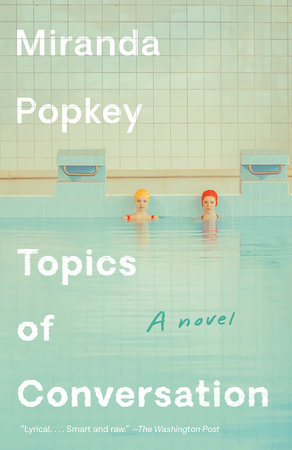
Topics of Conversation

Composed almost exclusively of conversations between women—the stories they tell each other, and the stories they tell themselves—Topics of Conversation careens through twenty years in the life of an unnamed narrator hungry for experience and bent on upending her life. In exchanges about shame and love, infidelity and self-sabotage, Popkey touches upon desire, disgust, motherhood, loneliness, art, pain, feminism, anger, envy, and guilt. Edgy, wry, and written in language that sizzles with intelligence and eroticism, this novel introduces an audacious and immensely gifted new novelist.

Gatekeeper

Winner of a Wisconsin Library Association “Outstanding Achievement Award”

What is the deep web? A locked door. A tool for oppression and for revolution. “An emptying drain, driven by gravity.” And in Patrick Johnson’s Gatekeeper—selected by Khaled Mattawa as the winner of the 2019 Ballard Spahr Prize for Poetry—it is the place where connection is darkly transfigured by distance and power.

So we learn as Johnson’s speaker descends into his inferno, his Virgil a hacker for whom “nothing to stop him is reason enough to keep going,” his Beatrice the elusive Anon, another faceless user of the deep web. Here is unnameable horror—human trafficking, hitmen, terrorism recruitment. And here, too, is the lure of the beloved. But gone are the orderly circles of hell. Instead, Johnson’s map of the deep web is recursive and interrogatory, drawing inspiration and forms from the natural world and from science, as his speaker attempts to find a stable grasp on the complexities of this exhilarating and frightening digital world.

Spooky and spare, Gatekeeper is a striking debut collection and a suspenseful odyssey for these troubled times.

Hard Mouth

Denny works nights as a tech in a labyrinthine facility outside of D.C., readying fruit flies for experimentation. Her life’s routine is straightforward, limited. But when her father announces that he won’t be treating his recurrent, terminal cancer, she responds by quietly dismantling her life. She constructs in its place the fantasy of perfect detachment. Unsure whether her impulse is monastic or suicidal, she rents a secluded cabin in the mountains.

Without saying goodbye, she leaves her parents behind and enters a new, solitary world. It’s not without disruption: her blowsy trash bag of an imaginary pal is still lingering. And then a house cat appears out of nowhere. And after a bad storm rips through the mountainside, someone else shows up, too. Her time in the wilderness isn’t the perfect detachment she was expecting. Denny is forced to reckon with this failure while confronting a new life with its own set of pleasures and dangerous incursions.

Morbidly funny, subversive, and startling, Hard Mouth, the debut novel from 2018 NEA Creative Writing Fellow Amanda Goldblatt, unpacks what it means to live while others are dying.

Here Is What You Do: Stories

A yacht races to outrun a tsunami. A young man jailed on a drug charge forms a relationship with his cellmate that is by turns tender and brutal. A family buys a rural slaughterhouse, and tensions with their religious neighbors quickly escalate. A teen raised by his eccentric gay father, a Turkish immigrant, finds his life fractured by violence. A fictionalized Coretta Scott King, surveilled and harassed by the FBI, considers the costs of her life with her husband.

Here Is What You Do is a bravura, far-ranging collection, its stories linked by sorrow and latent hope, each one drilling toward its characters’ darkest emotional centers. In muscularly robust prose, with an unfailing eye for human drives and frailties, Chris Dennis captures the raw need, desire, cruelty, and promise that animate our lives.

The Experiment of the Tropics: Poems

Returning to early-twentieth-century Philippine photographs during the time of American occupation, The Experiment of the Tropics asks, “How does one look at the past?”


By braiding the music of anthropology with the intimacy of the lyric, Lawrence Ypil explores history’s archives and excavates a city, both real and imagined, that is constituted by the shimmer of petal and porch, coral and brass—a river-refrigerator where women catch their reflections on the sheen of magazines and men lean against the walls of old houses and beckon, come here.  So, we approach.


The Experiment of the Tropics is a meditation on the nature of cities, the revelatory power of photography, and the startling capacity of poetry to cut into the violent but redemptive parts of history


Too Numerous

What does it really mean when people are viewed as bytes of data? And is there beauty or an imaginative potential to information culture and the databases cataloging it? As Too Numerous reveals, the raw material of bytes and data points can be reshaped and repurposed for ridiculous, melancholic, and even aesthetic purposes.

The Good Echo

The Deeper the Water the Uglier the Fish

Threat Come Close

In his debut collection, Aaron Coleman crafts an American anthem for the 21st century, a powerful lyric infused with pain, faith, lust, and vulnerability. Coleman’s poems explore and question the meaning of home and identity for a Black man in America, both past and present. Guided by a belief system featuring an eclectic array of invented saints—Trigger, Seduction, Doubt, and Who—Coleman's journey uncovers new ways of being in the natural world, where “[t]he trees teach me how to break and keep on living.”

Indecency

Indecency is boldly and meticulously crafted, perfectly capturing a raw edge. In these poems, Justin Phillip Reed experiments with language to explore inequity and injustice, critiquing and lamenting the culture of white supremacy and the dominant social order. Political and personal, tender, daring, and insightful, Reed unpacks his intimacies, using poetry as a weapon to confront masculinity, sexuality, exploitation, and the prison industrial complex, revealing the failures of the societal structures that confine us.

Life After Rugby

There’s an inclusive, Whitmanesque charm to Life After Rugby, as if we’re being led by a keen observer through a cosmos of human beauty and complexity. It’s a little like Jim Jarmusch’s Paterson, but in a more postmodern mood and key: the collection has no single speaker or stable point of view, nor any clear indicators of what cultural landscape each poem inhabits.

G’Sell has a veteran playwright’s ears and mind, conjuring all sorts of dictions, dialects, rhythms, and registers. Many of the poems read like dramatic monologues. The tight, soulful opener “Follow the Girl in the Red Boots” offers a playful invitation to listen to the book’s chorus of voices:

Follow the girl in the stolen shoes.
Follow the map that she made you.
Follow the soar of her certain song.
Plenty of people won’t.

The rest of the collection is pulsing and polyrhythmic. There’s the prose-poem elegance of “Women and Children” where “the equator twists into taffy” and “mountains sweet-talk snow.” Then there’s the stream-of-consciousness feminist romp “Deep Space Dialectic,” whose speaker fantasizes about kicking extraterrestrial ass, like an underwear-clad Sigourney Weaver in Aliens (“I take everything I can from the burning ship and prepare for the voyage home”). In “Like Good News from a Pretty Girl,” the voice gets colloquial and rough. Its closing line is a haymaker: “I refuse to make this beautiful.” In Life After Rugby, heterogeneity of character, tone, and perspective is the norm, the irreducible and insoluble fact of our shared existence.

A few poems gesture toward aphoristic, distilled wisdom. “Nothing solid saves,” warns a veteran of the sea. “Freedom is only lonely / when you let it be,” opines the “Ode to Mike Tyson.” Other fragments feel sublime, like this advice tendered in “World Cup”: “summer loss at the hem / of your dreams, sink your past / on the kindest ship.” In a more coded, shrouded way, “Real Butter” attests that “At best, life is hard,” but

The secret is not hiding
from the music at a party.
We are more important than the secret,
we are more practical than the secret,
we are more secret than the secret,
which makes us the secret.

The power of Life After Rugby derives equally from its evasion of “easy truths,” its reveling in the particular. “Impervious to Avalanche” exhibits a fierce longing and desire:

. . . I wish
to sleep

in perfect snow, die of sweet
collision, halfway to a heavy sky

and infinitely held. You say
you think I’d live through this,

you love as though it’s proven.
An excavated craving

for precision keeps me warm.
We curve as though

contrived of light, climb
as though it cures us.

And sometimes you just get a good story, unvarnished but well-told, like the one in “Blessed Are They, the Cinematic.” Animated, the speaker recalls a childhood encounter with a young St. Francis on the silver screen:

Francis sings in a gentle tenor, fleeing his jerk of a dad. He comes across Clare about one third through, and that’s where it gets good. Clare is the perfect Seventies Saint—long Breck hair and braless. . . . Her hair is blonde, her eyes are blue, she’s brutal as she turns her head. So brutal and pretty that no one can have her (not like he tries). . . . There are few lessons I recall more clearly than the lessons I learned from this feature film.

Other speakers can be side-splitting and even tough to take seriously. “Lately I’ve stopped seeing rich white men,” one speaker announces with flamboyant self-congratulation. In “After Camus Comes Out of a Coma,” another offers this bleary-eyed vision of redemption: “Sometimes I believe in heaven so that everyone can be adorable. The man who shits on the subway steps? He gets to be adorable. That bitch who mocks how loud you laugh? She gets to be adorable. The pit bull, the vulture, the substandard tip: they too will be adorable. Even I will be adorable. We all will be adorable.” In “Take Her Down,” a rhetorical shape-shifter opens with “I just want to give you / a run for your money” and ends with “I just want to tell you / the truth, for once.” And in the title poem a speaker almost spits, “Sometimes I want to rip you in half / to prove that I am hungry.”

On balance, though, Life After Rugby prefers beauty. Sometimes it comes off as mysterious (“roulade of lucent rationalizations, / ocean sad with conjugated rooms, the schooner is / shifting; the race is not rigged”), with titles rarely linked in any obvious way to rest of the poem. Elsewhere, it’s pure pleasure, like the high-octane, Thelma-and-Louise drift of “Drive”:

isn’t this what the wonderful women who didn’t raise us were always raving about? This leather and heat and soft seat wishing this rain and a midday singing so long this more than 3,000 miles more than Alaska more than my mother this drivetrain talent for transaxle searching this engine turning and turning again this torque approach to front-wheel living I was never your slushbox beautiful nothing I was agency movement clutch clutch clutch I was 500 hp gold and you know it the place it was I came from on that deathless night I came.

A word repeated in the collection is “sexless,” meaning a place—or soul—drained of rhythm, drained of life. Life After Rugby is anything but. It’s craft without artifice, and it succeeds so beautifully because, as the speaker of the closing poem puts it, “I have made light of many things / and that’s why we can see in here.”


Catapult: Stories

Selected by Ben Marcus as winner of the Mary McCarthy Prize in Short Fiction, Catapult follows Emily Fridlund's acclaimed debut novel History of Wolves. Sometimes calculating, at other times bewildered, Catapult's characters orbit around each other, enacting a deeply human tragicomedy of wit, misunderstanding, and loss. With dexterous, atmospheric, and darkly comic prose, Fridlund conjures worlds where longing is open-ended, intentions misfire, and the line between comfort and cruelty is often difficult to discern. This is a gripping collection, unsettling as much in its familiarity as in its near-gothic strangeness.

Some Beheadings

Here the “beheaded” poet displaces her mind into the landscape, exploring territories as disparate as India’s Western Ghats and the cinematic Mojave Desert, as absurd as insomnia and dream. Some Beheadings asks three questions: “How does thinking happen?” “What does thinking feel like?” “How do I think about the future?” The second question takes primacy over the others, reflecting on what poets and critics have called “the sensuous intellect,” what needs to be felt in language, the contours of questions touched in sound and syntax.

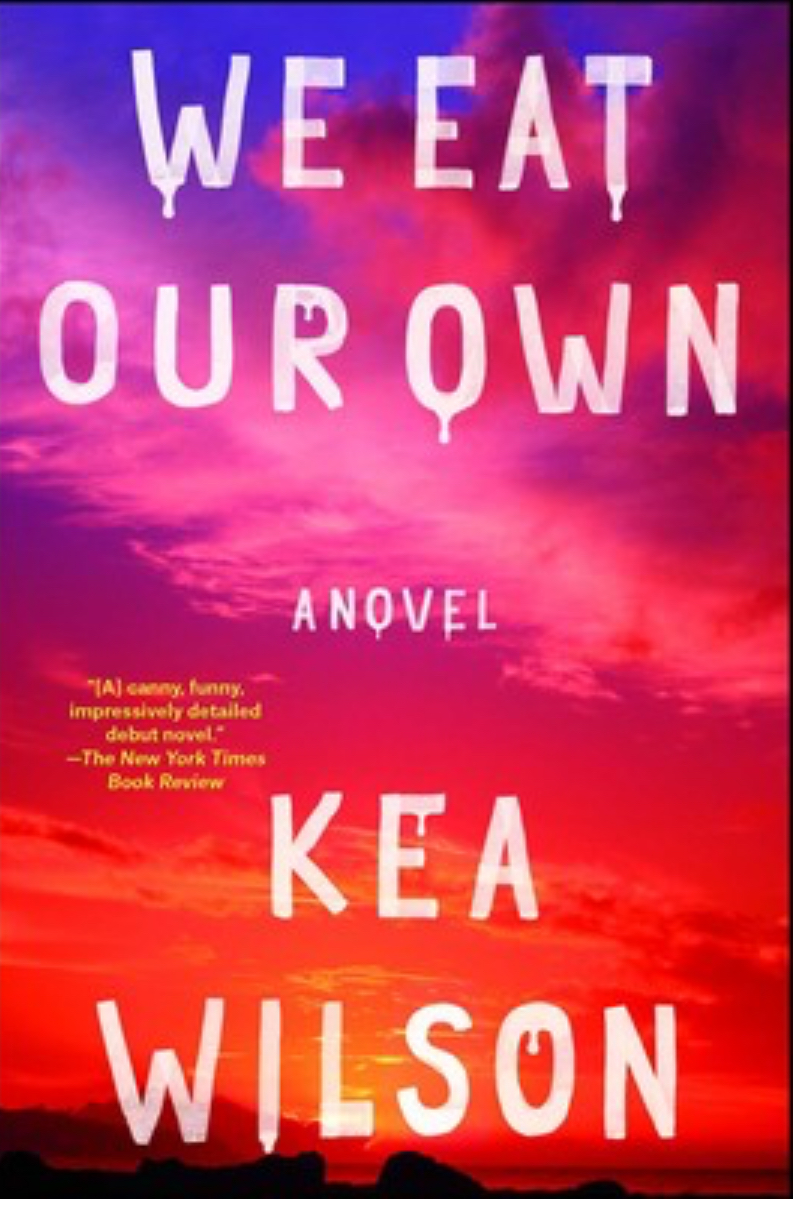
We Eat Our Own

When a nameless, struggling actor in 1970s New York gets the call that an enigmatic director wants him for an art film set in the Amazon, he doesn’t hesitate: he flies to South America, no questions asked. He quickly realizes he’s made a mistake. He’s replacing another actor who quit after seeing the script—a script the director now claims doesn’t exist. The movie is over budget. The production team seems headed for a breakdown. The air is so wet that the celluloid film disintegrates.

But what the actor doesn’t realize is that the greatest threat might be the town itself, and the mysterious shadow economy that powers this remote jungle outpost. Entrepreneurial Americans, international drug traffickers, and M-19 guerillas are all fighting for South America’s future—and the groups aren’t as distinct as you might think. The actor thought this would be a role that would change his life. Now he’s worried if he’ll survive it.

When Hollywood Comes to You

When Hollywood Comes to You, Guerra’s debut collection, explores the conflict between the story we tell ourselves about our life (“I have participated / in a series of anticipations since / my birth, each with its own measure / of worry. Each with its own / power of imbuing worth.” (from “Lost in the Trinket Machines”)) and the actual, everyday occurrences that makes up our life, which, when looked at closely, is often surprising in its oddness, silliness, and sometimes mercy. Guerra looks at how we create meaning in our life from the mundane (from roadside garbage to the person in line behind you at K-Mart to odd names of ordinary-looking plants) and how this meaning can be put in jeopardy by events like illness. The poems evoke the loneliness and anxiety of not living up to our life story as well as the transcendent feeling when these two lives align. As he says in “No Class Enjoyments”: “I, too, enjoy the day and that all the ocean’s refuse and animal froth I used / to fear as a child…I don’t fear anymore, / that I walk among the highway rubble–– / the honeycombs of windshield glass, shreds of rubber, a fast / food wrapper’s flattened wings––along the roar of the shore: / these are reason enough to feel / calm and cheerful.”

“The Television Detective’s Red Hair” from When Hollywood Comes to You:

Is carnival light. Is morning’s worn out arrival for the victim’s parents. Is coffee in a styrofoam cup and packets of sweetener the pink and blue of baby’s clothes. Is an abalone glow in a little brother’s bedroom window. First, the bad news. After walking a wide row in a wet field poking the soil. Is the loss that brings the weather on. That boxes up belongings. In the drone of the day. In the din and double-talk. Doldrums of work and feeling useless. Something resurfaces in us. A partial print. A partial plate. And her voice as plain and sure as a Texas porch. The taciturn of sacred. Waiting alone in a dreary car. In the orange light outside the suspect’s apartment. You have the right to remain as you are. Or pursue that noise. Through the cracked door of the pines. That strain in the lake’s distortion. Song massaging the feeling back in. What is worth our devotion. What charges us. A charmed sequence of words. The jangle. The strum. Truth and beauty. And what have I done with my life. Is the sheer of decision. Is the from here on out. Is one’s own thought. One’s own moment. This is the good news.

Crescendo

If she can find her way through the forest of grief, she will discover an incredible adventure waiting on the other side. Hers is no ordinary journey—it is a journey into the nature of the soul. Each step takes her further into uncharted lands. The cave of darkness. The lake of time. The human heart. Each place she goes and each person she meets has a new lesson to teach her, and soon she comes to learn the most astounding one of all: her loved ones have never left her. They are with her throughout the lifetimes. They are eternal and immortal.
And so is she.
And so are we.

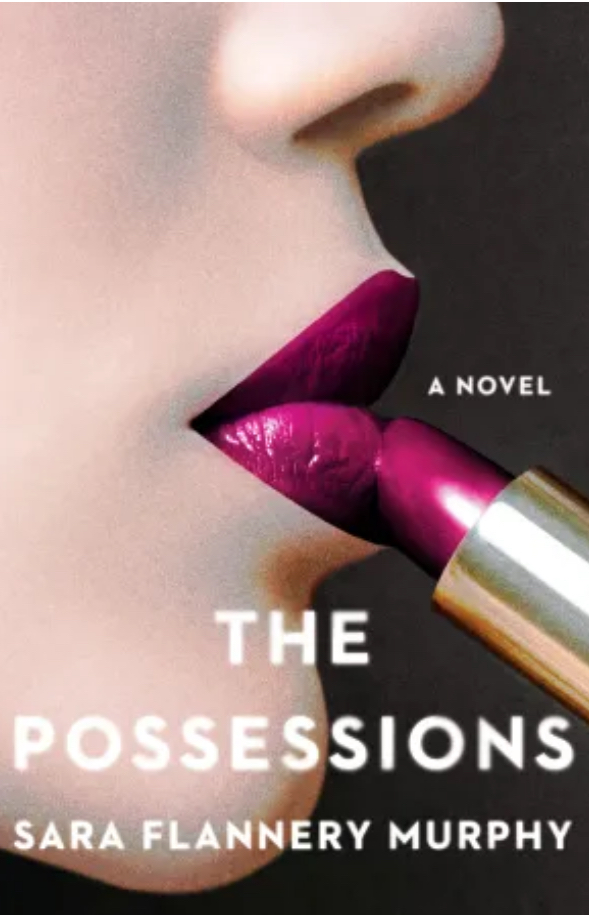
The Possessions

The Elysian Society is an underground organization where grieving clients reconnect with lost loved ones. The employees, known as bodies, spend their days in a numb routine as they channel the dead. Edie has worked at the Elysian Society for five years. She’s a loyal employee, turning blankness into an art form. When she takes on an enigmatic new client, her quiet life cracks open.

As Edie grows closer to Patrick Braddock, moving deeper into his life, she learns unsettling details about the death of his wife, Sylvia. Strangers start to seem familiar; memories leak into waking life. Edie can’t tell whether this is Sylvia’s growing influence or her own walls breaking down. Secrets are circling closer, threatening the precarious balance that Patrick and Edie have created.


A Word for Love

It is said there are ninety-nine Arabic words for love. Bea, an American exchange student, has learned them all: in search of deep feeling, she travels to a Middle Eastern country known to hold the “The Astonishing Text,” an ancient, original manuscript of a famous Arabic love story that is said to move its best readers to tears. But once in this foreign country, Bea finds that instead of intensely reading Arabic she is entwined in her host family’s complicated lives–as they lock the doors, and whisper anxiously about impending revolution. And suddenly, instead of the ancient love story she sought, it is her daily witness of a contemporary Romeo and Juliet-like romance–between a housemaid and policeman of different cultural and political backgrounds–that astonishes her, changes her, and makes her weep. But as the country drifts toward explosive unrest, Bea wonders how many secrets she can keep, and how long she can fight for a romance that does not belong to her. Ultimately, in a striking twist, Bea’s own story begins to mirror that of “The Astonishing Text” that drew her there in the first place–not in the role of one of the lovers, as she might once have imagined, but as the character who lives to tell the story long after the lovers have gone.

With melodic meditation on culture, language, and familial devotion. Robbins delivers a powerful novel that questions what it means to love from afar, to be an outsider within a love story, and to take someone else’s passion and cradle it until it becomes your own.

History of Wolves: A Novel

Fourteen-year-old Linda lives with her parents in the beautiful, austere woods of northern Minnesota, where their nearly abandoned commune stands as a last vestige of a lost counter-culture world. Isolated at home and an outlander at school, Linda is drawn to the enigmatic, attractive Lily and new history teacher Mr. Grierson. When Mr. Grierson is charged with possessing child pornography, the implications of his arrest deeply affect Linda as she wrestles with her own fledgling desires and craving to belong.

And then the young Gardner family moves in across the lake and Linda finds herself welcomed into their home as a babysitter for their little boy, Paul. It seems that her life finally has purpose but with this new sense of belonging she is also drawn into secrets she doesn’t understand. Over the course of a few days, Linda makes a set of choices that reverberate throughout her life. As she struggles to find a way out of the sequestered world into which she was born, Linda confronts the life-and-death consequences of the things people do—and fail to do for the people they love.

Winner of the McGinnis-Ritchie award for its first chapter, Emily Fridlund’s propulsive and gorgeously written History of Wolves introduces a new writer of enormous range and talent.

The Wug Test

In The Wug Test, named for a method by which a linguist discovered how deeply imprinted the cognitive instinct toward acquiring language is in children, Kronovet questions whether words are objects we should escape from or embrace. Dispatches of text from that researcher, Walt Whitman, Ferdinand de Saussure, and the poet herself, among other voices, are mined for their futility as well as their beauty, in poems that are technically revealing and purely pleasurable. Throughout, a boy learns how to name and ask for those things that makes up his world.

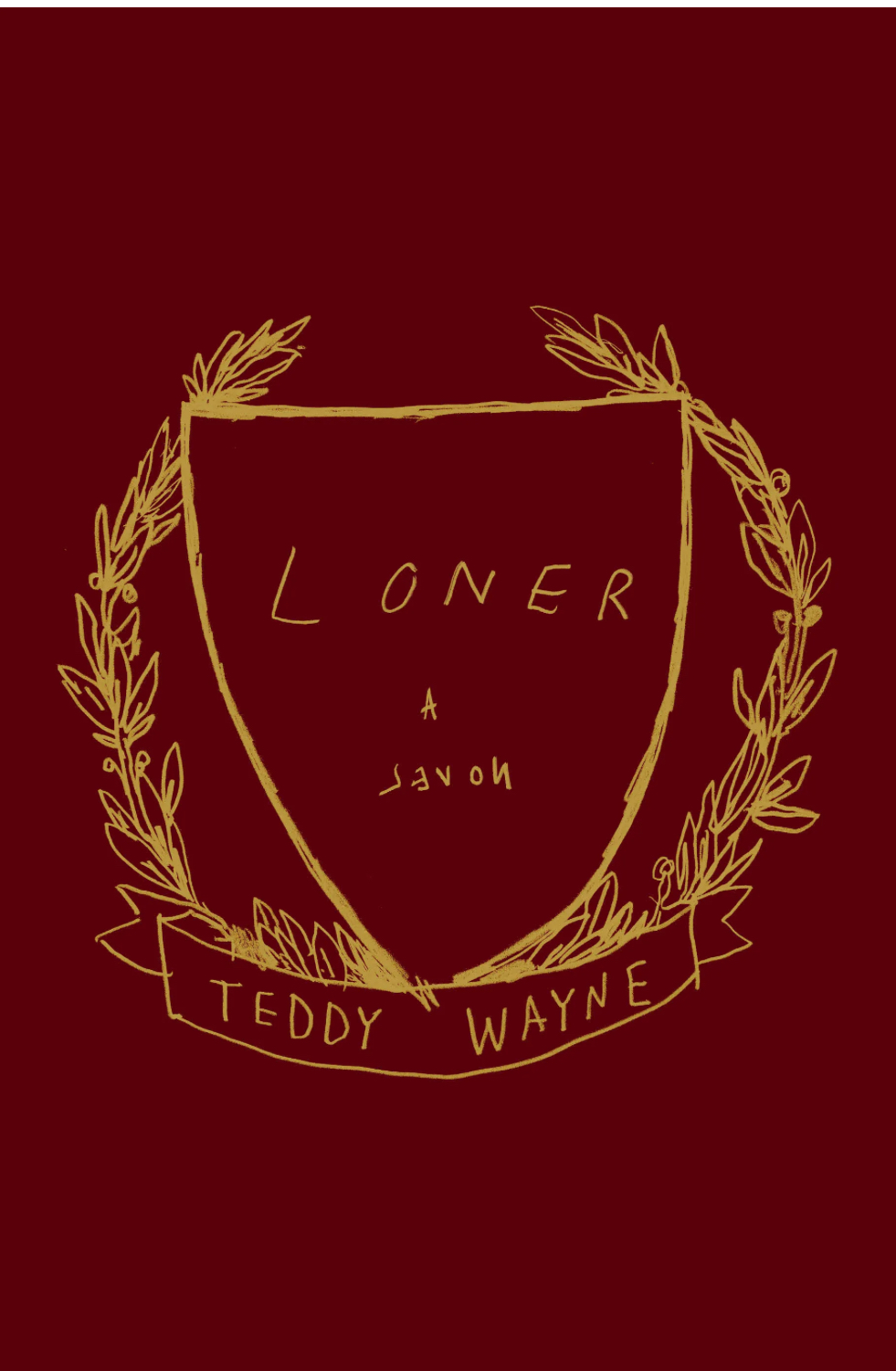
Loner

David Federman has never felt appreciated. An academically gifted yet painfully forgettable member of his New Jersey high school class, the withdrawn, mild-mannered freshman arrives at Harvard fully expecting to be embraced by a new tribe of high-achieving peers. Initially, however, his social prospects seem unlikely to change, sentencing him to a lifetime of anonymity.

Then he meets Veronica Morgan Wells. Struck by her beauty, wit, and sophisticated Manhattan upbringing, David becomes instantly infatuated. Determined to win her attention and an invite into her glamorous world, he begins compromising his moral standards for this one, great shot at happiness. But both Veronica and David, it turns out, are not exactly as they seem.

The After Party

From the acclaimed author of The Yonahlossee Riding Camp for Girls comes a tale of enduring female friendship—full of its intense struggles and delights—set against a backdrop of affluence, elegance, and high expectations.

Joan Fortier personifies Texas glamour, reigning supreme over the 1950s Houston social scene. With her tall, blonde beauty and commanding presence, she captivates both the men who desire her and the women who envy her. Cece Buchanan, Joan's lifelong friend, is seen as either her loyal companion or her accomplice, depending on who you ask. But when Joan's reckless behavior intensifies during the summer they turn twenty-five, Cece feels compelled to rein her in, leading to a single, consequential decision.

The After Party offers a mesmerizing glimpse into the world of the rich and glamorous during a memorable era, revealing a friendship as passionate, exhilarating, consuming, and complex as any romance.

The Knack of Doing: Stories

Playful, fantastical, gruesome, and tender by turns, this debut collection of short fiction by Jeremy M. Davies runs the gamut from parody to tragedy and back. "Sad White People" follows a souring hipster love affair that finds itself brutally hijacked by a far more interesting story, while "The Terrible Riddles of Human Sexuality (Solved)" introduces us to a dominatrix whose life is splintered into a series of children's brainteasers. "The Excise-Man" pastiches Robert Burns and Flann O'Brien in a rowdy tale of moonshine and tax evasion, while "Forkhead Box" catalogs the professional and personal embarrassments of a New York State executioner in the days of the Rosenbergs. Finally, the epic "Delete the Marquis" looks back to the nineteenth-century novel, chronicling the woes of an impecunious ghostwriter who has inadvertently turned the entire world into a lurid fiction. Overflowing with "wit, irresistible ingenuity, and a stupefying narrative abundance" (Harry Mathews), Davies's fiction takes dead aim at literary convention while reimagining the art of storytelling for the twenty-first century.

What Belongs to You: A Novel

On an unseasonably warm autumn day, an American teacher enters a public bathroom beneath Sofia’s National Palace of Culture. There he meets Mitko, a charismatic young hustler, and pays him for sex. He returns to Mitko again and again over the next few months, drawn by hunger and loneliness and risk, and finds himself ensnared in a relationship in which lust leads to mutual predation, and tenderness can transform into violence. As he struggles to reconcile his longing with the anguish it creates, he’s forced to grapple with his own fraught history, the world of his southern childhood where to be queer was to be a pariah. There are unnerving similarities between his past and the foreign country he finds himself in, a country whose geography and griefs he discovers as he learns more of Mitko’s own narrative, his private history of illness, exploitation, and want.

What Belongs to You is a stunning debut novel of desire and its consequences. With lyric intensity and startling eroticism, Garth Greenwell has created an indelible story about the ways in which our pasts and cultures, our scars and shames can shape who we are and determine how we love.

Thief in the Interior

"This gorgeous debut is a 'debut' in chronology only. . . . Need is everywhere--in the unforgiving images, in lines so delicate they seem to break apart in the hands, and in the reader who will enter these poems and never want to leave."--Adrian Matejka

Phillip B. Williams investigates the dangers of desire, balancing narratives of addiction, murders, and hate crimes with passionate, uncompromising depth. Formal poems entrenched in urban landscapes crack open dialogues of racism and homophobia rampant in our culture. Multitudinous voices explore one's ability to harm and be harmed, which uniquely juxtaposes the capacity to revel in both experiences.

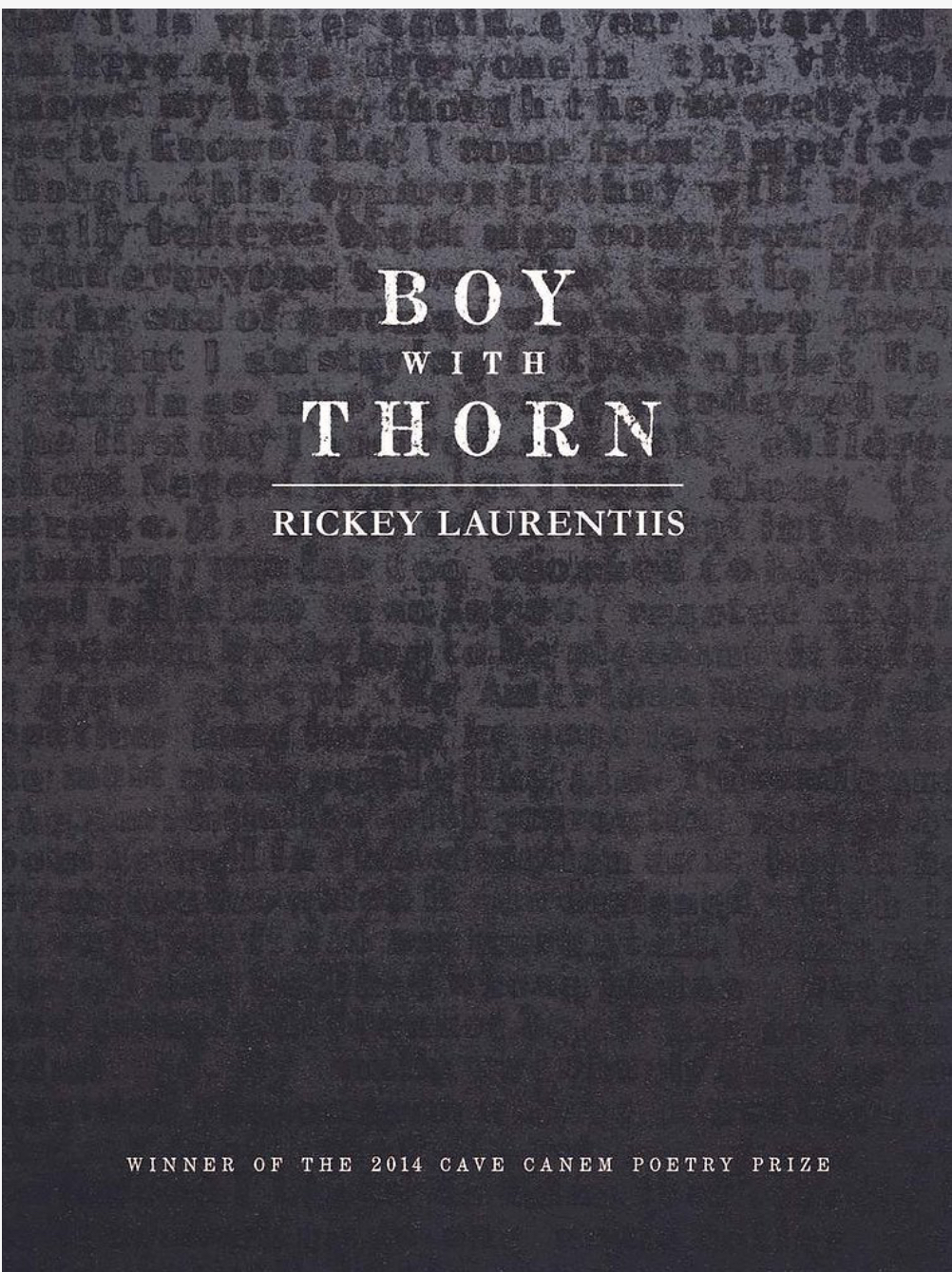
Boy With Thorn

In a landscape at once the brutal American South as it is the brutal mind, Boy with Thorn interrogates the genesis of all poetic creation—the imagination itself, questioning what role it plays in both our fascinations with and repulsion from a national history of racial and sexual violence. The personal and political crash into one language here, gothic as it is supple, meditating on visual art and myth, to desire, the practice of lynching and Hurricane Katrina. Always at its center, though, is the poet himself—confessing a double song of pleasure and inevitable pain.

The Yonahlossee Riding Camp for Girls

It's 1930, the midst of the Great Depression. After her mysterious role in a family tragedy, passionate, strong-willed Thea Atwell, age fifteen, is cast out of her Florida home and exiled to an equestrienne boarding school for Southern debutantes. High in the Blue Ridge Mountains, the school's complex social strata are ordered by money, beauty, and girls’ friendships. The Yonahlossee Riding Camp for Girls is a far cry from the free-roaming, dreamlike childhood Thea shared with her twin brother on their family’s citrus farm—a world now partially shattered. As Thea grapples with her responsibility for the events of the past year that led her here, she finds herself enmeshed in a new order, one that will change her sense of what is possible for herself, her family, and her country.

Weaving provocatively between home and school, the narrative powerfully unfurls the true story behind Thea’s expulsion from her family. But it isn’t long before the mystery of her past is rivaled by the question of how it will shape her future. Part scandalous love story, part heartbreaking family drama, this is an immersive, transporting page-turner—a vivid, propulsive novel about sex, love, family, money, class, home, and horses, all set against the ominous threat of the Depression—and the major debut of an important new writer.

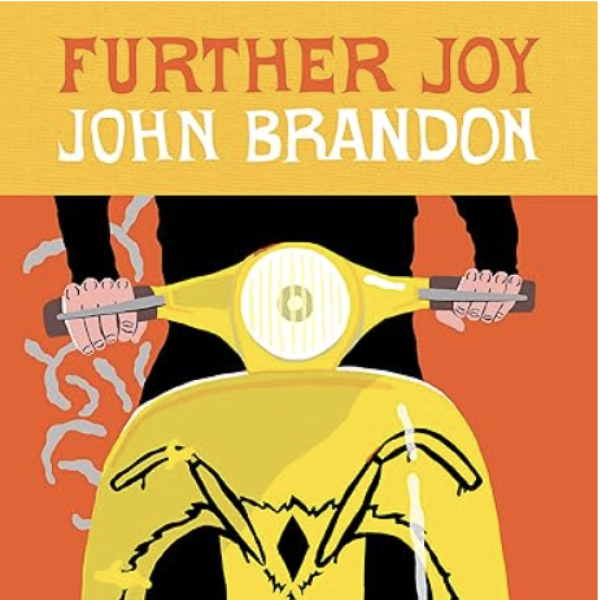
Further Joy

In eleven expertly crafted stories, John Brandon gives us a stunning assortment of men and women at the edge of possibility—gamblers and psychics, wanderers and priests, all of them on the verge of finding out what they can get away with, and what they can’t. Ranging from haunted deserts to alligator-filled swamps, these are stories of foul luck and strange visitations, delivered with deadpan humor by an unforgettable voice.

The Wives of Lost Alamos

While the bomb was being developed, babies were born, friendships were forged, children grew up, and Los Alamos transformed from a boys school on a hill into a community: one that was strained by the words they couldn’t say out loud, the letters they couldn’t send home, and the freedom they didn’t have. The end of the war brought bigger challenges to the people of Los Alamos, as the scientists and their families struggled with the burden of their contribution to the most destructive force in the history of mankind. The Wives of Los Alamos is a novel that sheds light onto one of the strangest and most monumental research projects in modern history, and a testament to a remarkable group of women who carved out a life for themselves, in spite of the chaos of the war and the shroud of intense secrecy.

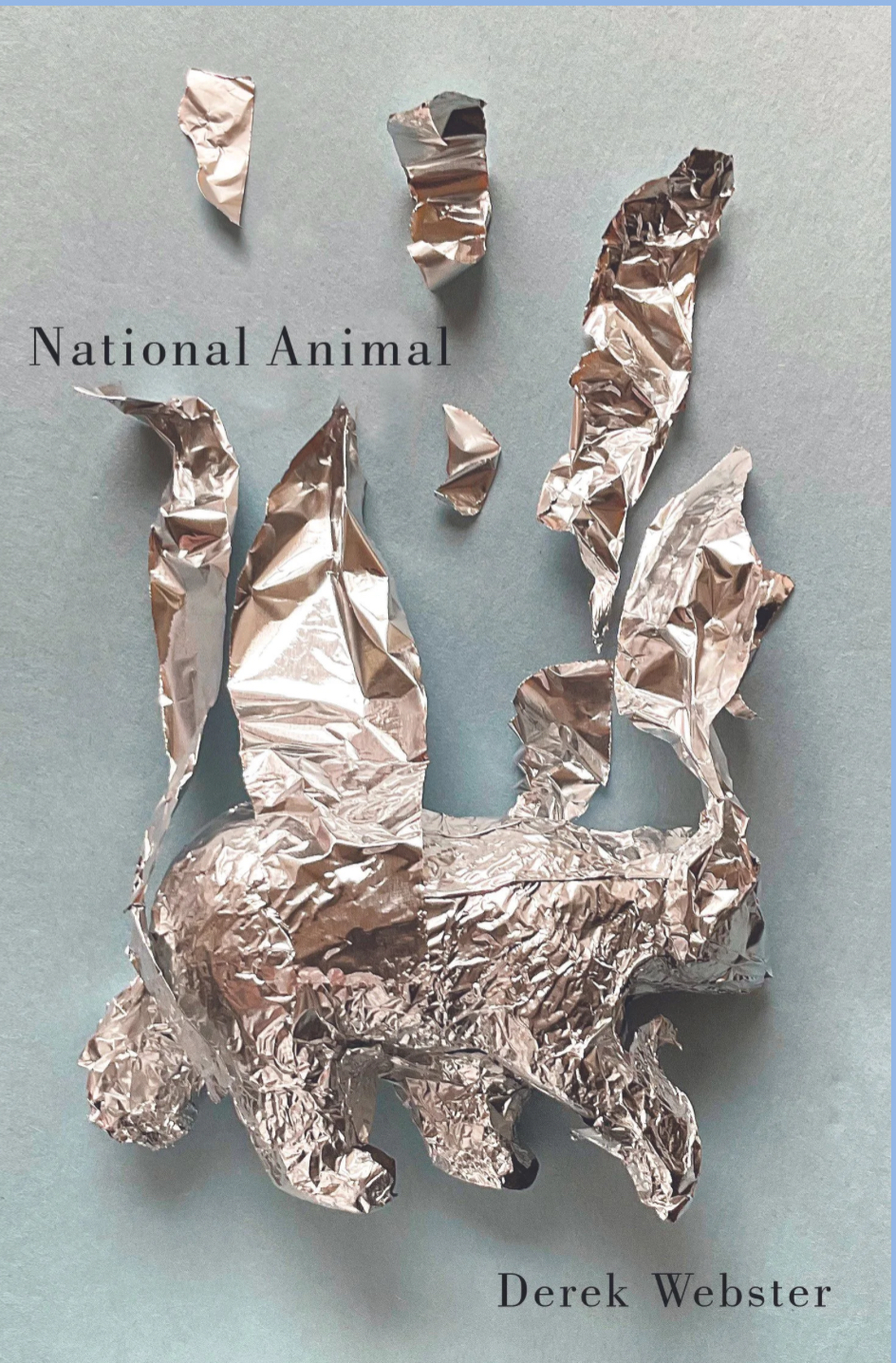
National Animal

In poems that range beyond the biographical toward the political, Webster’s quiet, sharp-eyed narrator—a man “tripping / my way forward, trying to lead my own life”—watches history being erased in favour of more socially palatable ideas and comforting self-portraits. Uncompromising and substantial, National Animal explores our “civic moment” where "birds sing oblivion / estranged from all things," and meditates, in a final image-rich sequence, on our place in a science-based cosmos.

The Facades: A Novel

In the once-great Midwestern city of Trude, ornate old buildings lie in ruins, shrouded in disappointment and nostalgia. Trude has become a place to "lose yourself," as one tourist brochure puts it: a treacherous maze of convoluted shopping malls, barricaded libraries, and elitist assisted-living homes.

One night at Trude's opera house, the theater's most celebrated mezzo-soprano vanishes during rehearsal. When the police come up empty-handed, her husband, a disconsolate legal clerk named Sven Norberg, takes up the quest on his own. To uncover the secret of his wife's disappearance, Norberg must descend into Trude's underworld and confront the menacing and bizarre citizens of his hometown: rebellious librarians, shifty music critics, a cop known as the Oracle, and the minister of an apocalyptic church who has recruited Norberg's teenage son. Faced with the loss of everything he loves, Norberg's investigation leads him to the heart of the city and through the buildings of a possibly insane modernist architect named Bernhard, whose elaborate vision offers him an astonishing revelation.

Written with boundless intelligence and razor-sharp wit, THE FACADES is a comic and existential mystery that unfolds at the urgent pace of a thriller.

The Best of Youth

After his parents are killed in a freak sailing accident, Henry Lang inherits 15 million dollars and decides to move to Brooklyn to see if he can make it in publishing, perhaps fall in love, and attend the sorts of parties and events he imagines 20-somethings in Brooklyn most likely frequent. Unfortunately, Henry is something of a target for other, more savvy Brooklynites, and he finds himself in a string of increasingly troubling situations and demoralizing romantic adventures. Things finally fall apart for him in catastrophic ways when he agrees to ghost-write a young adult novel for a charismatic but drug-addicted and sometimes-violent actor. Will Henry lose his entire fortune to save his integrity? By turns hilarious and tragic, The Best of Youth is a brilliant modern day comedy of manners

A Million Heavens

On the top floor of a small desert hospital, an unlikely piano prodigy lies in a coma, attended to by his gruff, helpless father. Outside the clinic, a motley vigil assembles beneath a reluctant New Mexico winter—all watched by a disconsolate wolf on his nightly rounds. To some the boy is a novelty, to others a religion. And above them, a would-be angel sits captive in a holding cell of the afterlife, finishing the work he began on Earth, writing the songs that could free him.

Sinners and the Sea

In the spirit of Anita Diamant’s The Red Tent comes an extraordinary debut novel that breathes life into Noah’s wife and combines history and mythology in an intensely suspenseful, page-turning narrative.

The young heroine in Sinners and the Sea is destined for greatness. Known only as “wife” in the Bible and cursed with a birthmark that many think is the brand of a demon, this unnamed woman lives anew through Rebecca Kanner. The author gives this virtuous woman the perfect voice to make one of the Old Testament’s stories come alive like never before.

Desperate to keep her safe, the woman’s father gives her to the righteous Noah, who weds her and takes her to the town of Sorum, a haven for outcasts. Alone in her new life, Noah’s wife gives him three sons. But living in this wicked and perverse town with an aloof husband who speaks more to God than to her takes its toll. She tries to make friends with the violent and dissolute people of Sorum while raising a brood that, despite its pious upbringing, develops some sinful tendencies of its own. While Noah carries out the Lord’s commands, she tries to hide her mark and her shame as she weathers the scorn and taunts of the townspeople.

But these trials are nothing compared to what awaits her after God tells her husband that a flood is coming—and that Noah and his family must build an ark so that they alone can repopulate the world. As the floodwaters draw near, she grows in courage and honor, and when the water finally recedes, she emerges whole, displaying once and for all the indomitable strength of women. Drawing on the biblical narrative and Jewish mythology, Sinners and the Sea is a beauti­fully written account of the antediluvian world told in cinematic detail.

The Messenger

In thrilling poems of metamorphosis and birth, death and dissolution, Stephanie Pippin’s debut collection returns us to a world unshorn of wildness. Delivering accident and hunger, love and grief, nature in these poems is beautiful and brutal, “a hellish magnificence” that both invites and denies the meanings we project onto it. Refusing the domesticated comfort of our usual myths, Pippin reminds us of our place as creatures among others in a world where “what isn’t dead / is dying,” and where the thrill of predatory flight commingles with the desperation of the prey.

This mesmerizing and astonishingly assured collection offers a message as harrowing as it is essential. Faced with the hard master of necessity—“angel stinking of his own / excitement”—and bare before what Mallarmé called “the horror of the forest,” we are helpless, finally, to do anything to save what we love. Our sole task, these poems insist, is to look on while we can, and to love harder.

Equivalents

"These poems are evidence of a mind that emits thought the way a quick-spinning, millisecond pulsar emits radio waves—with devastating precision. They form a record of incisive looking, and of the tumultuous perceptions sight provokes. They are lyric paradoxes, mostly packaged in prose boxes. They imitate the speed of light and yet, if we look up when we're told to, we find we're standing still while everything that can be observed rushes behind us. They are perfect examples of how well the lyric mode can succinctly interrogate existence. They are distinctive, inventive, intrepid, and discerning. Their rebellious intelligence is irrefutable—I found myself saying 'yes' to every word."—Mary Jo Bang

The Love Song of Johnny Valentine

Megastar Jonny Valentine, eleven-year-old icon of bubblegum pop, knows that the fans don’t love him for who he is. The talented singer’s image, voice, and even hairdo have been relentlessly packaged—by his L.A. label and his hard-partying manager-mother, Jane—into bite-size pabulum. But within the marketing machine, somewhere, Jonny is still a vulnerable little boy, perplexed by his budding sexuality and his heartthrob status, dependent on Jane, and endlessly searching for his absent father in Internet fan sites, lonely emails, and the crowds of faceless fans.

The Adults: A Novel (A Coming-of-Age Novel)

At the center of this affluent suburban universe is Emily Vidal, a smart and snarky teenager, who gets involved in a dangerous relationship. Among the cast of unforgettable characters is Emily’s father, whose fiftieth birthday party has the adults descending upon the Vidals' patio; her mother, who has orchestrated the elaborate party even though she and her husband are getting a divorce; and an assortment of eccentric neighbors, high school teachers, and teenagers who teem with anxiety and sexuality and an unbridled desire to be noticed, and ultimately loved.
An irresistible chronicle of a modern young woman’s struggle to grow up, The Adults lays bare—in perfect pitch—a world where an adult and a child can so dangerously be mistaken for the same exact thing.

Citrus County

There shouldn't be a Citrus County. Teenage romance should be difficult, but not this difficult. Boys like Toby should cause trouble but not this much. The moon should glow gently over children safe in their beds. Uncles in their rockers should be kind. Teachers should guide and inspire. Manatees should laze and palm trees sway and snakes keep to their shady spots under the azalea thickets. The air shouldn't smell like a swamp. The stars should twinkle. Shelby should be her own hero, the first hero of Citrus County. She should rescue her sister from underground, rescue Toby from his life. Her destiny should be a hero's destiny.

Kapitoil

"Sometimes you do not truly observe something until you study it in reverse," writes Karim Issar upon arrival to New York City from Qatar in 1999. Fluent in numbers, logic, and business jargon yet often baffled by human connection, the young financial wizard soon creates a computer program named Kapitoil that predicts oil futures and reaps record profits for his company.

At first an introspective loner adrift in New York's social scenes, he anchors himself to his legendary boss Derek Schrub and Rebecca, a sensitive, disillusioned colleague who may understand him better than he does himself. Her influence, and his father's disapproval of Karim's Americanization, cause him to question the moral implications of Kapitoil, moving him toward a decision that will determine his future, his firm's, and to whom—and where—his loyalties lie.

Triple Time

For Jill, a young American living in Saudi Arabia in the 1980s, life is in “a holding pattern” of long days in a restrictive place-“sandlocked nowhere,” as another expat calls it. Others don't know how to leave, and try to adopt the country as their own. And to those who were born there, the changes seem to come at warp speed: Thurayya, the daughter of a Bedouin chief, later finds herself living in a Riyadh high-rise where, she says, there are “worlds wound together with years.”


The characters in the linked stories in Triple Time are living an uneasy mesh of two divergent cultures, in a place where tradition and progress are continually in flux. These are tales of confliction-of old and new, rich and poor, sexual repression and personal freedom. We experience a barren yet strangely beautiful landscape jolted by sleek glass apartment towers and opulent fountains. On the fringes of urbanity, Bedouins traverse the desert in search of the next watering hole.

Shadeland

Shadeland is not only the name of the Illinois farm on which poet Andrew Grace was raised, it is also that elusive space where language attempts to recover all that has been lost. Deeply concerned with the state of today’s rural spaces, Grace’s poems describe a landscape and a lifestyle that are both eroding. Stylistically rangy, yet united by an ardent eye for intricate imagery, Shadeland features allusions and influences as classical as Homer, Virgil, and Hopkins while still exhibiting a poetic sensibility that is thoroughly contemporary. Employing a blend of baroque and innovative language, these 21st-century pastorals and anti-pastorals both celebrate and elegize the buckshot-peppered silos and unstill cornfields that are quietly vanishing from the countryside.

A Gentleman’s Guide To Graceful Living

Arthur Camden’s greatest talents are for packing and unpacking suitcases, making coleslaw, and second-guessing every decision in his life. When his business fails and his wife leaves him-to pursue more aggressive men-Arthur finds that he has none of the talents and finesse that everyone else seems to possess for navigating New York society.  Arthur tries to reinvigorate his life with comic and tragic results: He dates women with no interest in him, burns down his Catskills fly-fishing club, runs afoul of the law in France, and disgraces himself before family members. Just when Arthur hits the depths of despair, an eccentric suitor (a woman who happens to resemble the model on Arthur’s vitamin bottles) helps him take a leap into a wonderful unknown. 

Arkansas

There are the days: the dappled grounds, the aimless yardwork, the hours in the booth giving directions to families in SUVs. And then there are the nights, crisscrossing the South with illicit goods, the shifty deals in dingy trailers, the vague orders from a boss they've never met. Sooner than Kyle and Swin can recognize how close to paradise they are, in this neglected state park in southern Arkansas, the lazy peace is shattered with a shot. Night blends into day. Dead bodies. Crooked superiors. Suspicious associates. It's on-the-job training, with no time for slow learning, bad judgment, or foul luck.

Touchdown Jesus - Faith and Fandom at Notre Dame

Released in October 2005 to a near-banning by the Notre Dame bookstore (it has since reluctantly agreed to carry a copy or two), Scott Eden’s Touchdown Jesus is a book about fanaticism, obsession, passion, Catholicism, and that peculiarly American sporting phenomenon: college football. It's also about a place that inspires devotion to the point of pilgrimage and loathing to the point of bigotry. It is a portrait of an ensemble cast of those fans who die the hardest when the Irish lose on autumn Saturdays. And it is a narrative of ivory-tower political machinations and the uniquely Notre Dame personalities—priests, administrators, academics, coaches—who must deal with this institution's greatest boon and its direst dilemma, which is football. It is, at bottom, an attempt to understand what drives big-time spectator sport: the money, the tribalism, the myth-making power of the masses, the need to believe.