
Growing Up Green: Children’s Literature and the Environment
"Stories for children about encounters with the physical environment surely long predate the invention of childhood itself as a distinct life-stage...The field is so vast that no one can pretend to know more than a fraction of it" (Buell 408).
Climbing trees, splashing through puddles, catching fireflies in summer: many classic activities often imagined as part of childhood are also imagined as outdoors pursuits. Indeed, growing twenty-first century concerns that children are becoming disconnected from nature signal how deeply we envision childhood (and child development) as something that is or should be “natural,” so to speak. It’s perhaps unsurprising, then, that children’s literature has cultivated a long tradition of tapping into the natural environment—and so the books on this shelf necessarily represent but a square inch of a vibrant field!
In what ways do children’s books engage with the environment? Pioneering ecocritic Lawrence Buell sketches out two key strands of environmental engagement he perceives in (Western) children’s literature, beginning in the Victorian era. For the first of these strands, Buell points to narratives like Anna Sewell’s Black Beauty (1877) and Beatrix Potter’s Peter Rabbit (1902) that feature the nonhuman characters’ perspectives, often to comment on the human world. For Buell, the second key mode of environmental engagement comprises texts that feature a human child bonding with a particular outdoors space, as in Frances Hodgson Burnett’s The Secret Garden (1911). This bonding seems to be powerful for the protagonists of these works, playing a role in their development.
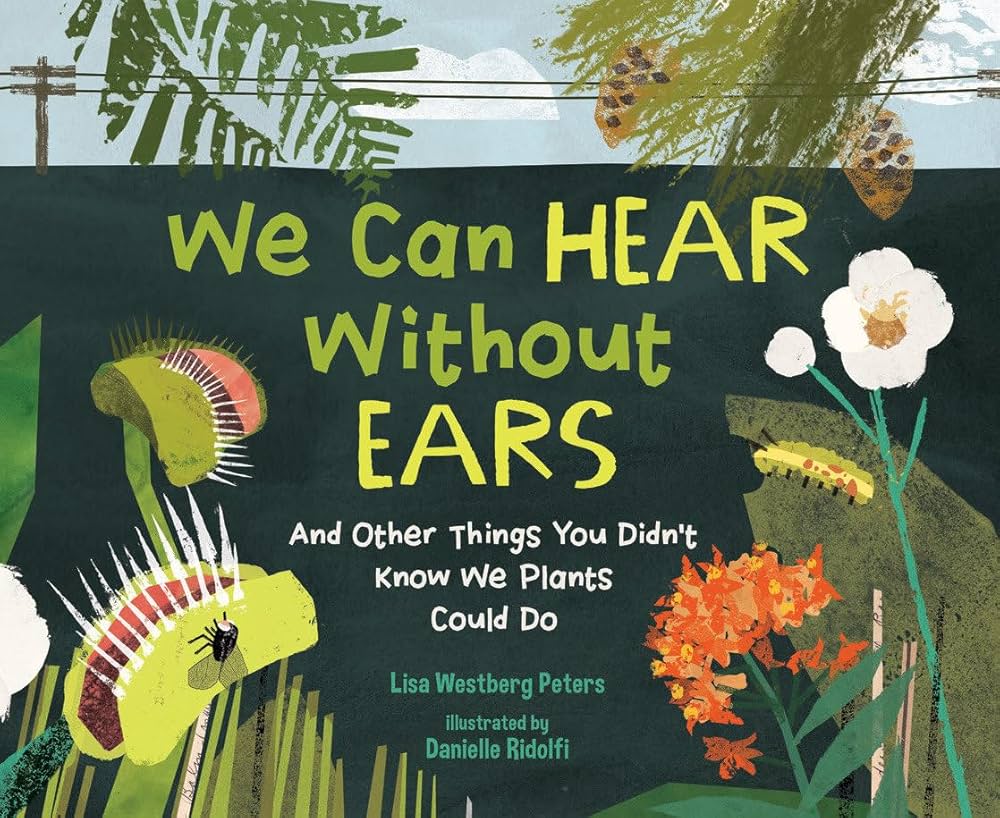
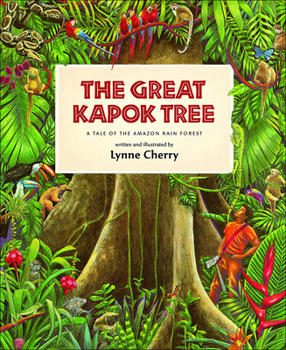
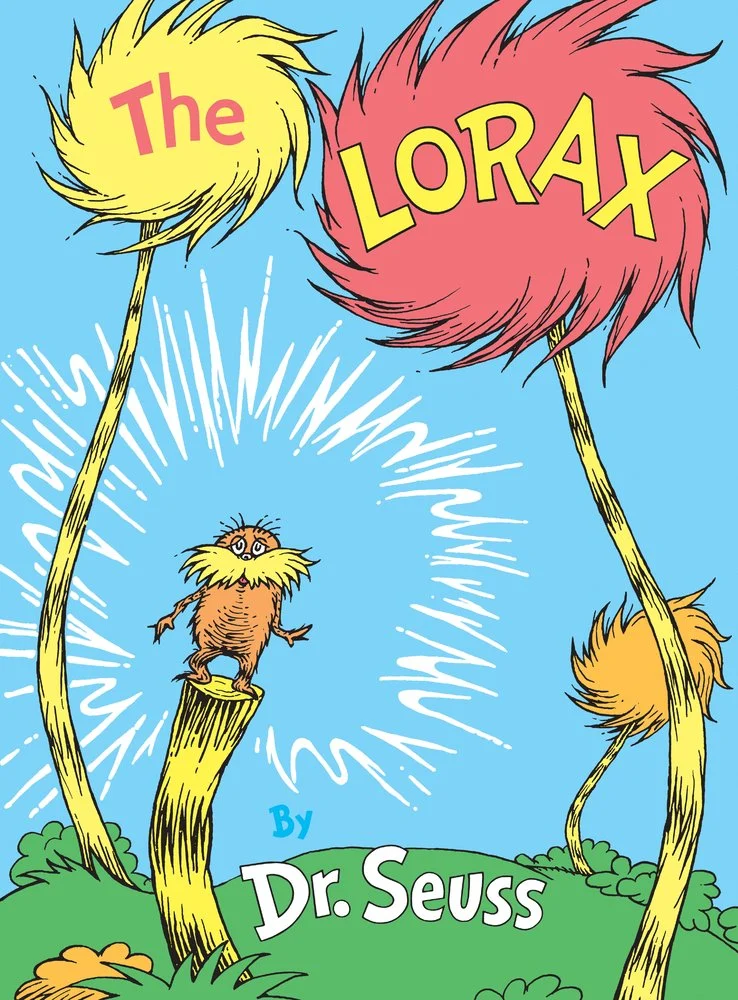
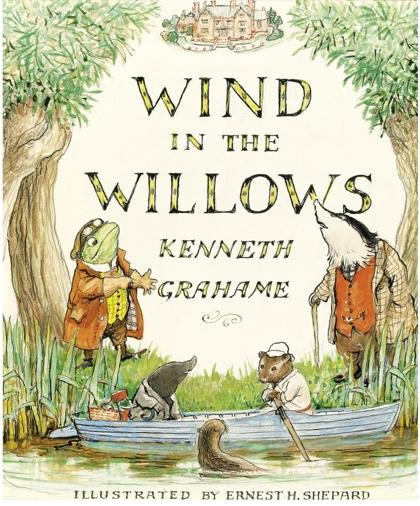
We can understand the books on this shelf as following in the footsteps of these major traditions while putting their own spin on them. In the tradition of featuring nonhuman perspectives are Kenneth Grahame’s classic The Wind in the Willows (1908); Lynne Cherry’s environmentalist picture book The Great Kapok Tree (1990); and the very recently released We Can Hear Without Ears (2026), illustrated by WashU’s own Danielle Ridolfi and told from the point of view of plants themselves. More overtly fantastical, Dr. Seuss’s beloved The Lorax (1971) also gives a kind of voice to nonhuman creatures and their experiences of environmental destruction through its titular character.
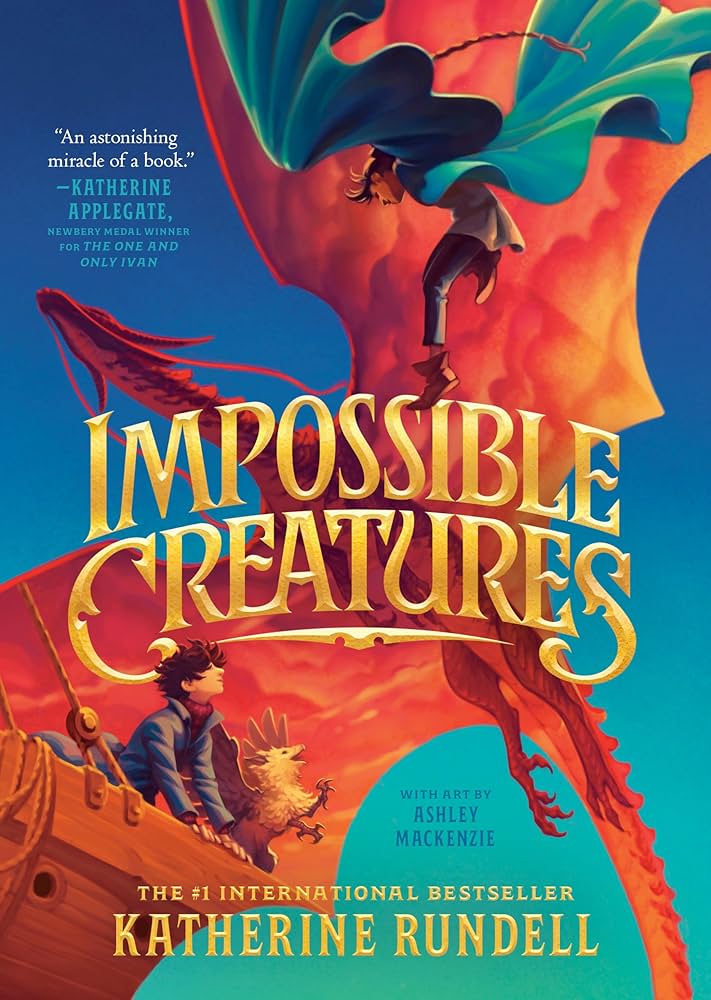
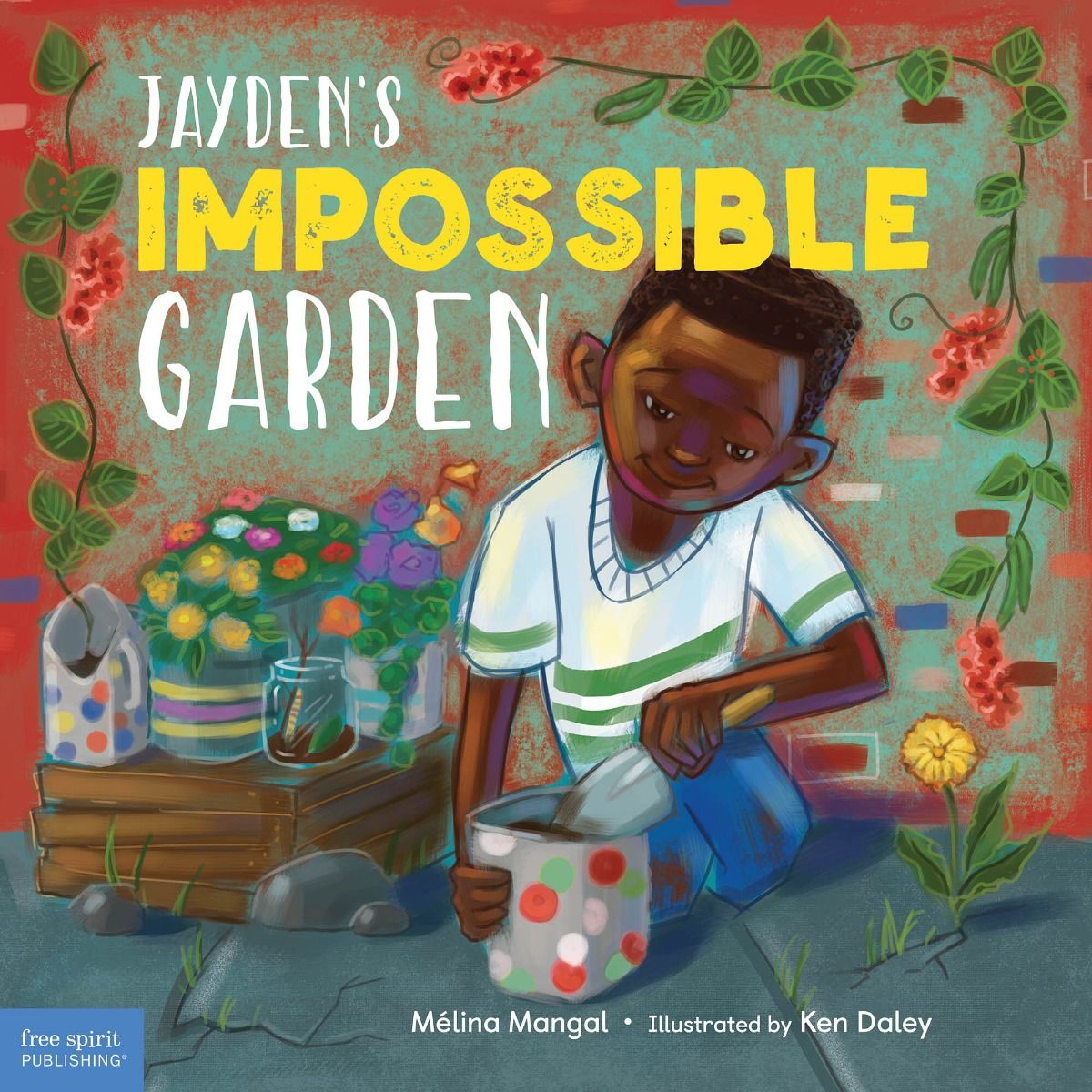
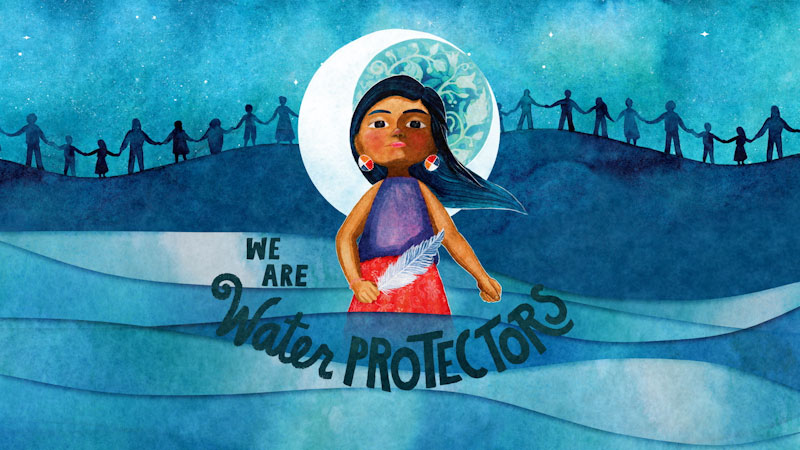
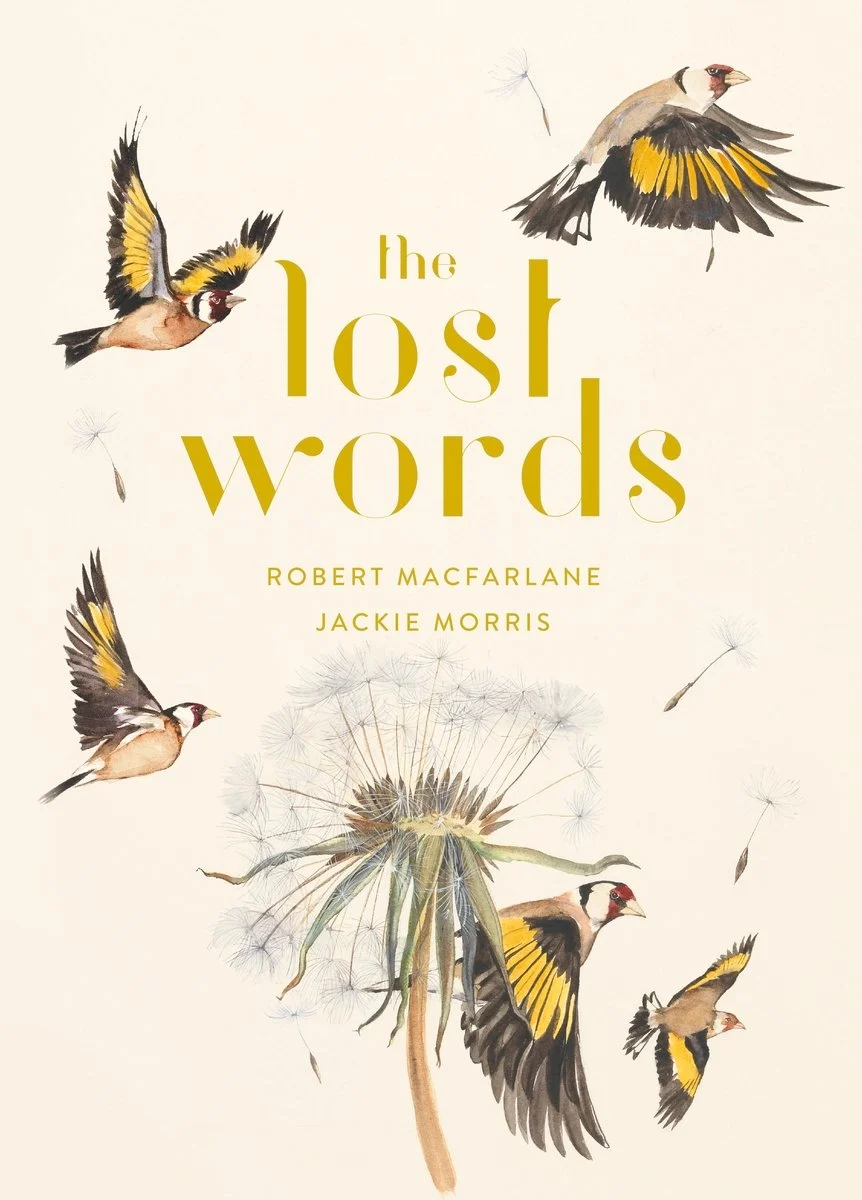
Several books also feature child characters bonding with outdoors spaces—or invite child readers to do so. In Katherine Rundell’s middle grade fantasy series, opening with Impossible Creatures (2023), main character Christopher grows to love a magical archipelago in need of saving. In Jayden’s Impossible Garden (2021), a boy not only bonds with an outdoors space (and with other people!) but also helps create that space himself by planting an urban garden: here, connection with nature proves possible in cityscapes, not just idyllic countrysides or fantastical lands. We are Water Protectors (2020) invites children into the work of environmental protection—itself perhaps a form of bonding—while drawing inspiration from Indigenous environmental movements. The Lost Words (2017) uses poetry to make plants and animals part of readers’ imaginations and lives, combatting the loss of nature-related vocabulary and connection children might experience in the twenty-first century.
This children’s bookshelf takes us from forests and fantasy worlds to our own backyards and city corners, everywhere reminding us of the environment and our relationship to it.
Books on Shelf:
Kenneth Grahame, The Wind in the Willows, 1908
Dr. Seuss, The Lorax, 1971
Lynne Cherry, The Great Kapok Tree, 1990
Robert McFarlane, The Lost Words (illustrated by Jackie Morris), 2017
Carole Lindstrom, We Are Water Protectors (illustrated by Michaele Goade), 2020
Melina Mangal, Jayden's Impossible Garden (illustrated by Ken Daley), 2021
Katherine Rundell, Impossible Creatures, 2023
Scholarly Sources:
Buell, Lawrence. "Environmental Writing for Children: A Selected Reconnaissance of Heritages, Emphases, Horizons." The Oxford Handbook of Ecocriticism, edited by Greg Garrad, Oxford UP, 2014, pp. 408-422.