The Children's Studies Bookshelf

The Children's Studies Bookshelf

About the Project

This project has been in the works for well over a year, and I am delighted to share our inaugural  Children’s Studies Bookshelf this month!  As the project continues, new Bookshelf collections will be available on this page, assembled by a series of guest curators whose areas of expertise reflect the interdisciplinary nature of the WashU Children’s Studies program. We will engage with the history of book production for children and teens, from its early days to the present, providing snapshots of different moments in that history across a variety of disciplines.

The concept of the “bookshelf” is an important one to Children’s Studies, reminding us of the powerful influence of ongoing reading experiences during the formative years.  While each book makes its contribution, no single book can do everything.  Children’s literature scholar Rudine Sims Bishop, in her landmark essay “Windows, Mirrors, and Sliding Glass Doors,” observes that “Books are sometimes windows, offering views of worlds that may be real or imagined, familiar or strange…. Literature transforms human experience and reflects it back to us, and in that reflection we can see our own lives and experiences as part of the larger human experience.” She concludes by stressing the need for a multiplicity of books, “ones that can act as both mirrors and windows for all our children.”  Author and illustrator Grace Lin, building on Bishop’s metaphor, agrees, asking parents and educators: “What is on your child’s bookshelf?”  The best bookshelves are diverse in all respects, offering different readers what they need at different times – affirmation or discovery, comfort or challenge - while broadening their worlds. Our Bookshelves, in turn, will showcase a range of scholarly views and perspectives, drawing from various fields and including both fiction and nonfiction.

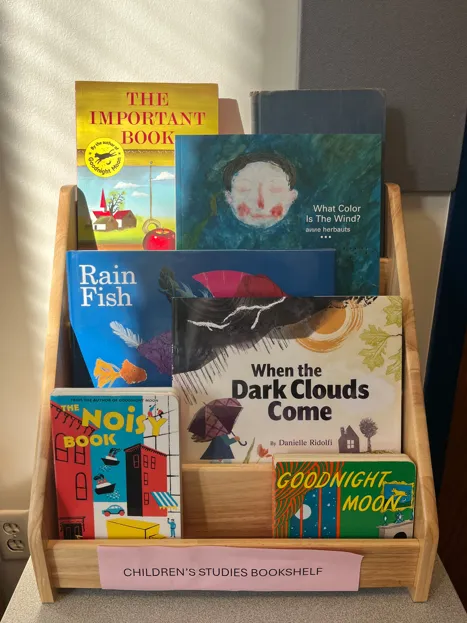
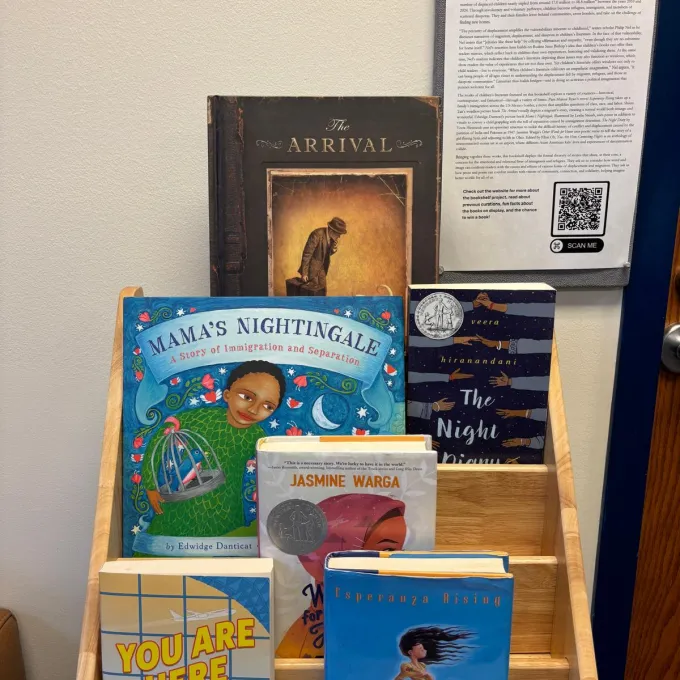
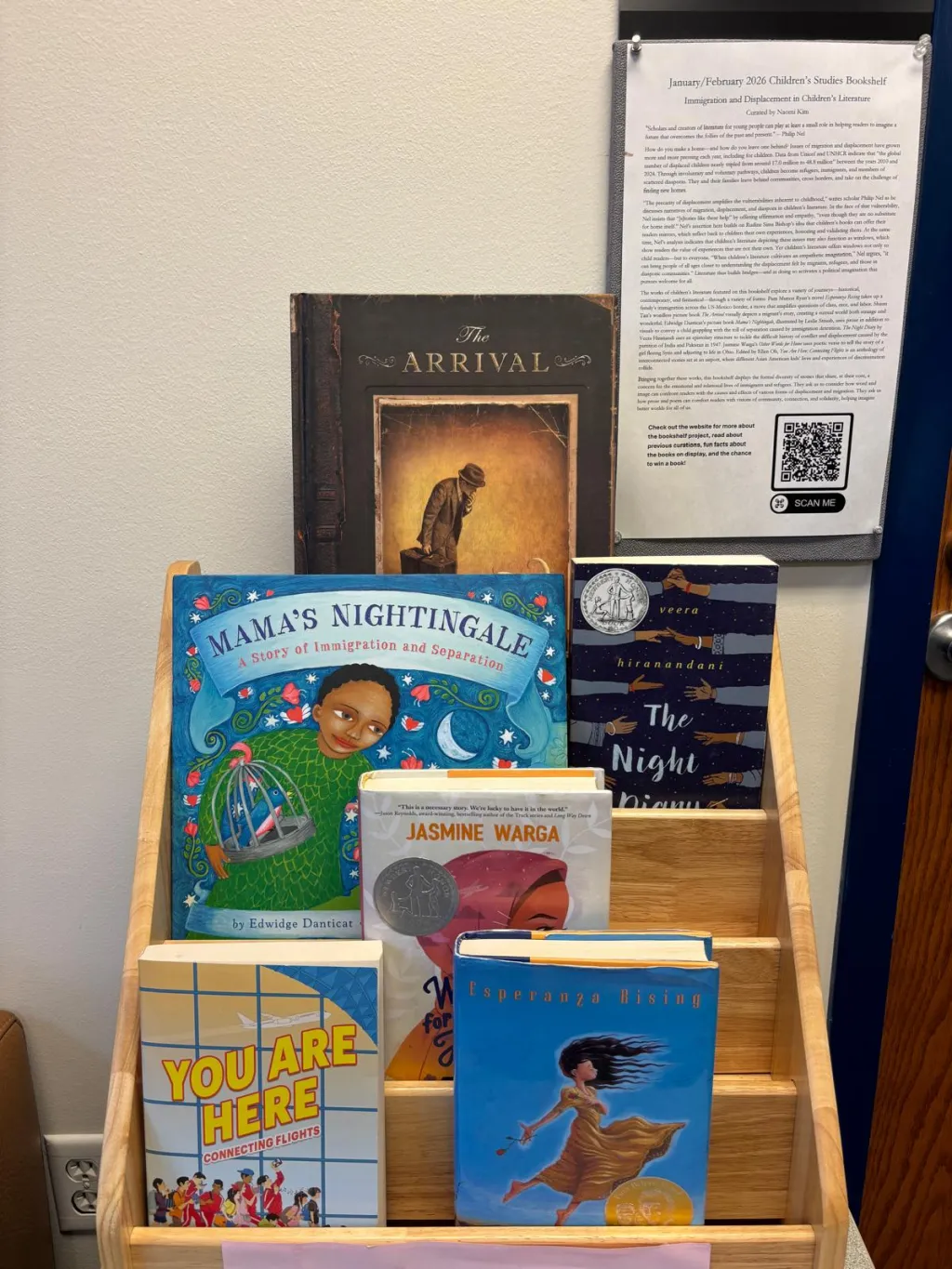
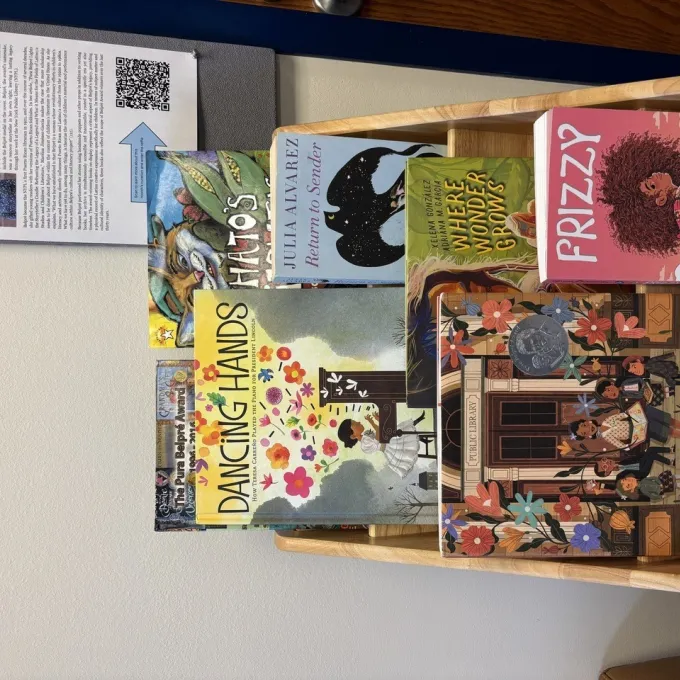
Inherent in the idea of the bookshelf is the promise of possibility: there is always another volume to reach for.  In our case, there is a literal bookshelf, housed in the English Department office; here, visitors are encouraged to reach for these texts and examine them, discovering the stories told by their physical presence as well as by their contents.  Is the text a gilded hardcover or a tattered paperback?  Are the pages the color of weak tea or are they a glossy white? What do the inscriptions on the inside cover tell us about the book’s genealogy of readers?  Has a child colored on its pages, pasted in a picture, or scrawled a response to a favorite passage or character? Pick one up - and find out!

                                                                                                                      Amy Pawl

                                                                                                                      Director, Children’s Studies

                                                                                                                      September, 2025

I would like to thank Abram Van Engen, chair of the English Department, and Hannah Ryan, the Children’s Studies Academic and Administrative coordinator, for making this project possible.
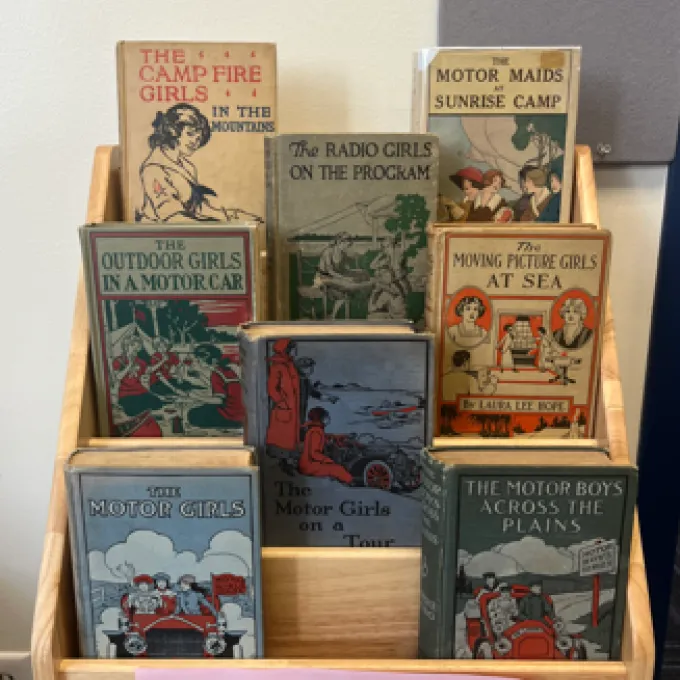
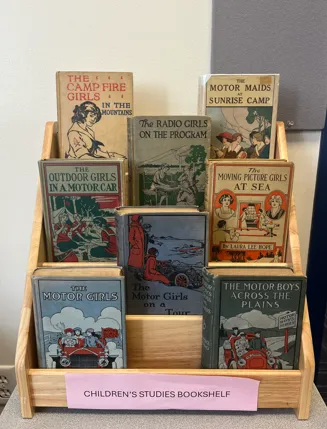
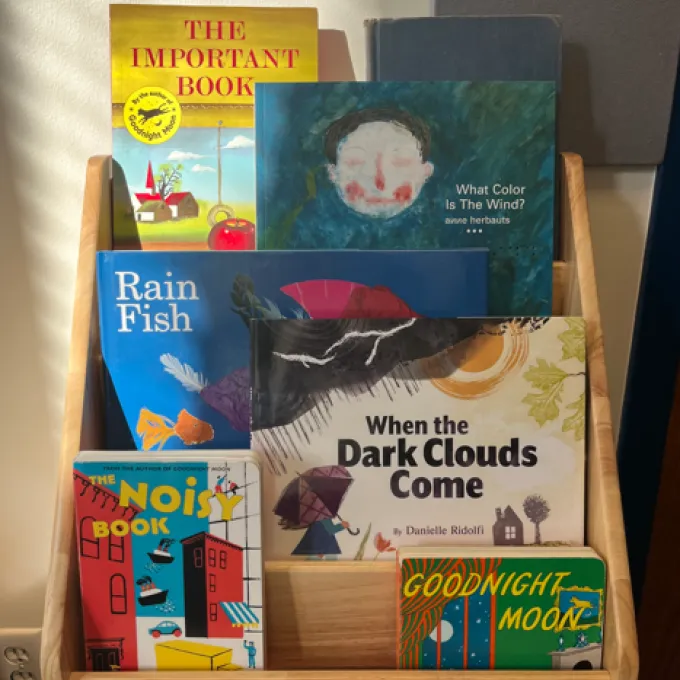
 

Bookshelf Available in English Office!

While this website serves as an online presence for the Children's Studies Bookshelf, all of the books you see here are available to browse and read in the English Office in Duncker Hall. Stop by and check it out!

March Children's Studies Bookshelf

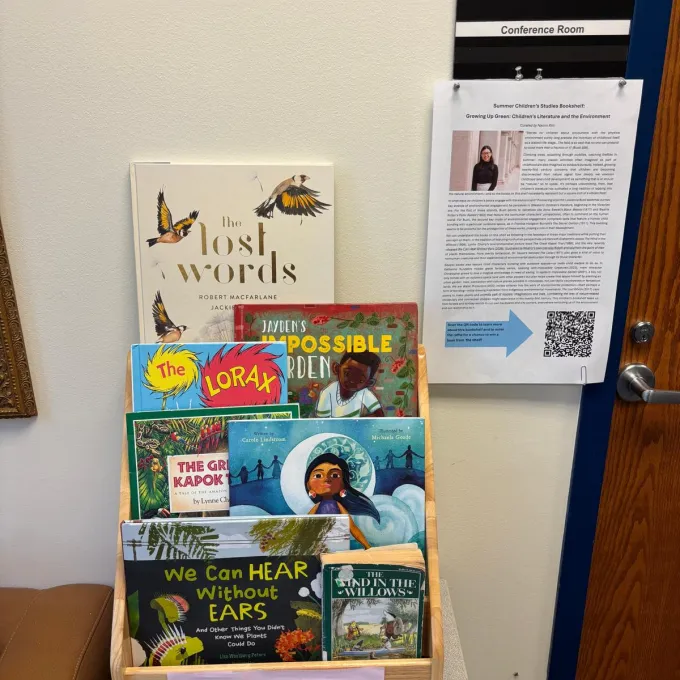
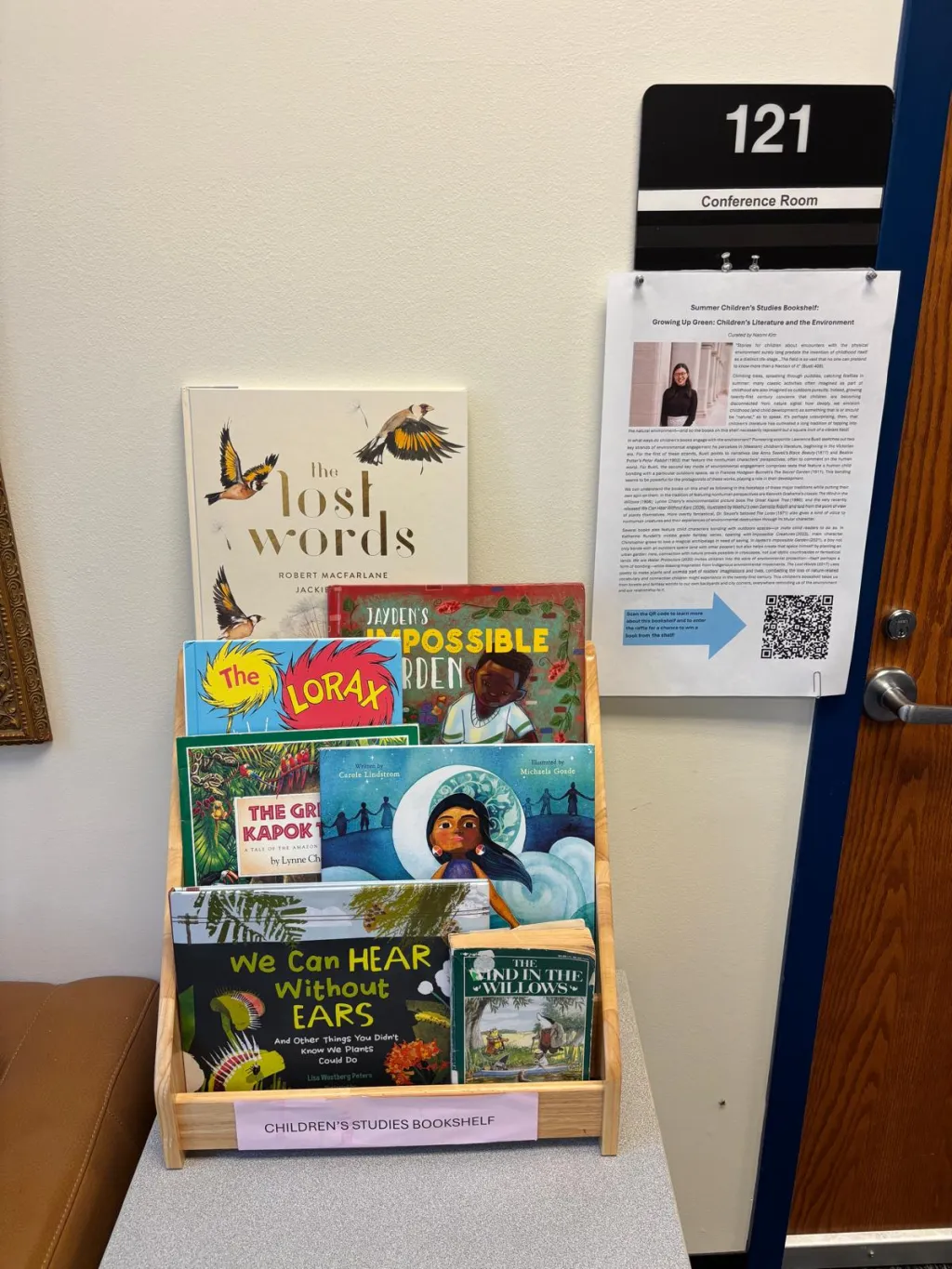
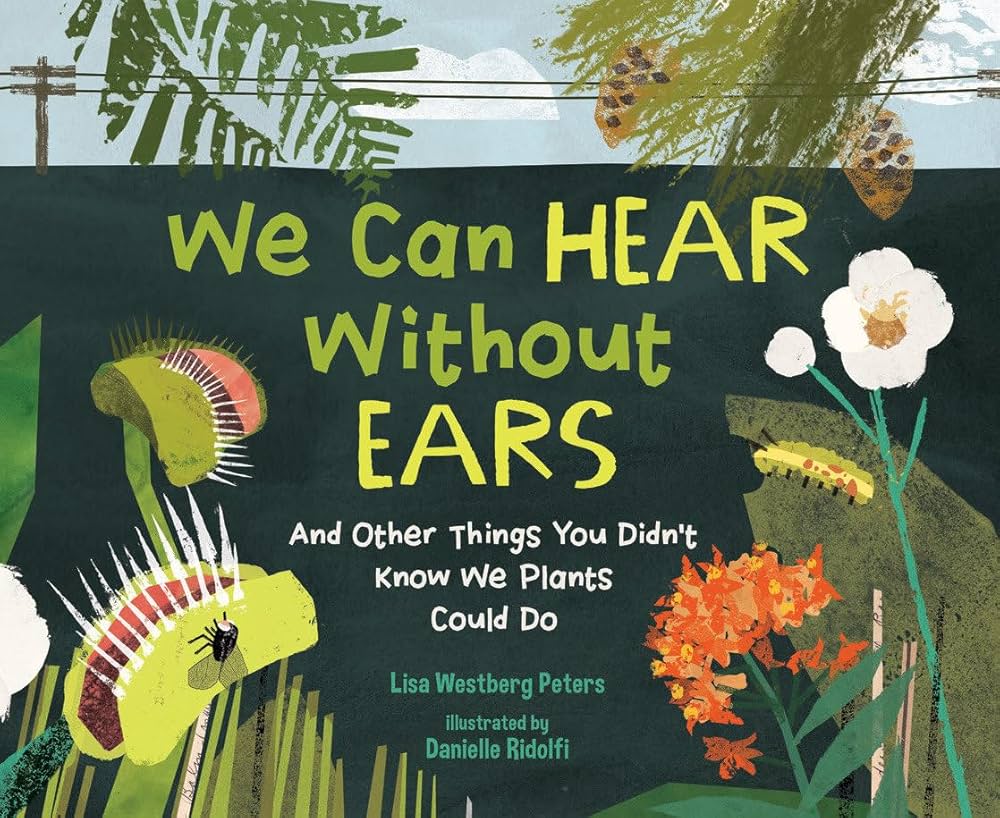
We Can Hear Without Ears

This picture book by Lisa Westberg Peters and illustrated by Danielle Ridolfi adopts a new perspective: the plants’ own! Here, the plants themselves dispel the notion that they “just stand around all day with our roots stuck in the ground” by explaining how they convert sunlight to food or collaborate with other species, like monarch butterflies, to flourish. Accompanied by Ridolfi’s delightful collages, We Can Hear Without Ears celebrates all that plants can do—and asks us humans what we might learn from plants ourselves.
-NK

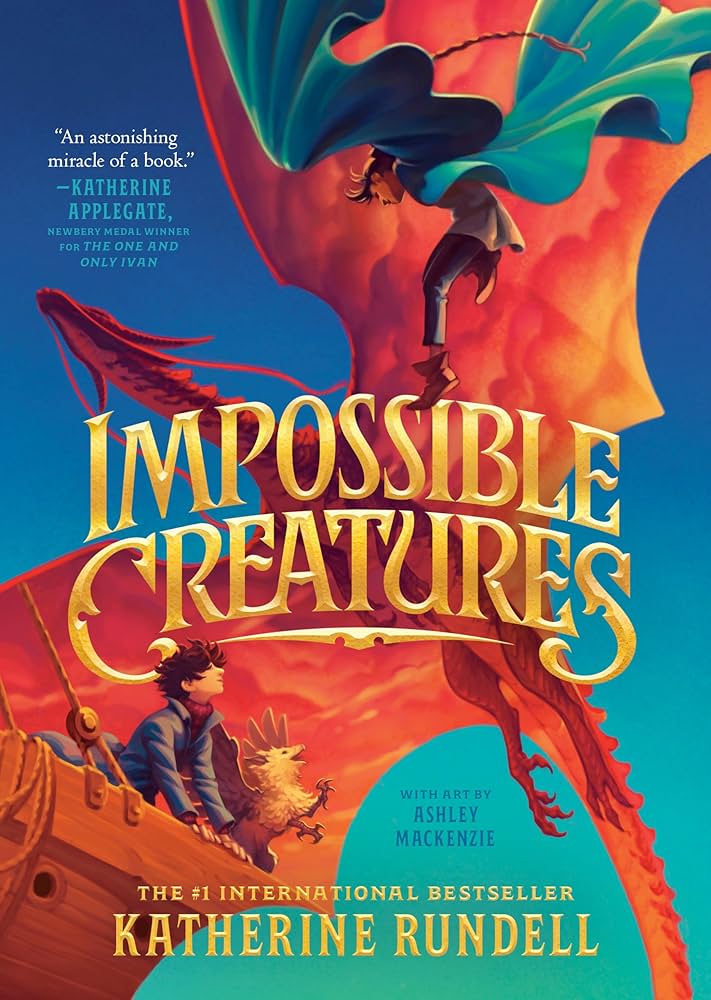
Impossible Creatures

The first book in a series by celebrated British children’s author and scholar Katherine Rundell, Impossible Creatures marks a new entry in the tradition of melding environmental themes with the fantasy genre. Two children, Christopher and Mal, team up to save an enchanted archipelago where magic is mysteriously fading—and where the magical creatures that call the islands home are dying. Read allegorically as a tale of climate crisis, the novel prompts questions about hope, despair, and responsibility in the face of ecological devastation, while framing human desire for power and control as environmentally harmful.  
-NK

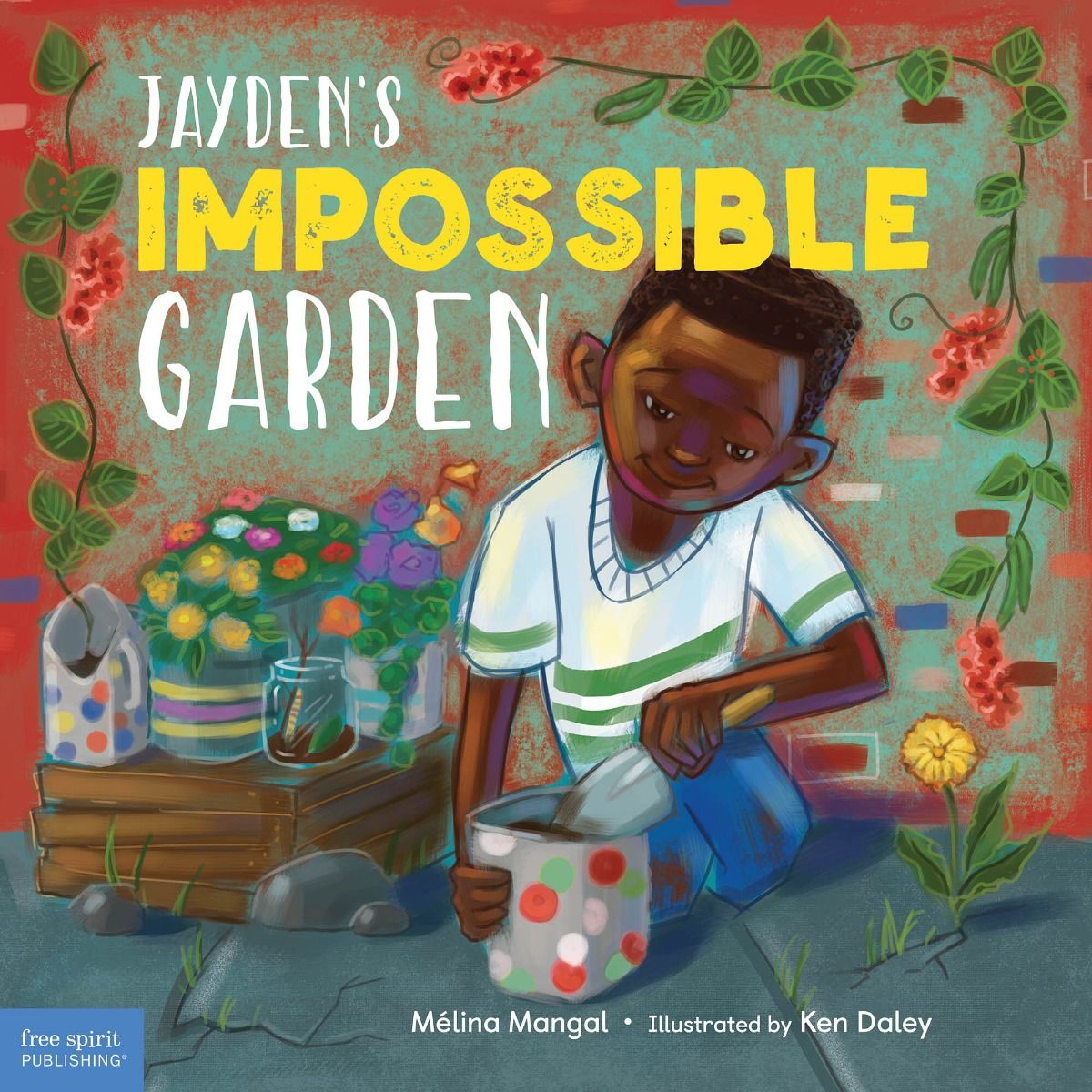
Jayden's Impossible Garden

Written by Melina Mangal and illustrated by Ken Daley, Jayden’s Impossible Garden features a young Black boy named Jayden living in a city. Though his mother tells him that “there’s no nature here in the middle of the city,” Jayden learns to find nature in his urban environment by cultivating a garden with his neighbor, Mr. Curtis. The picture book emphasizes the idea that nature is everywhere—even in cities!—and includes a guide on how to create upcycled planters to encourage readers to plant their own gardens.
-NK

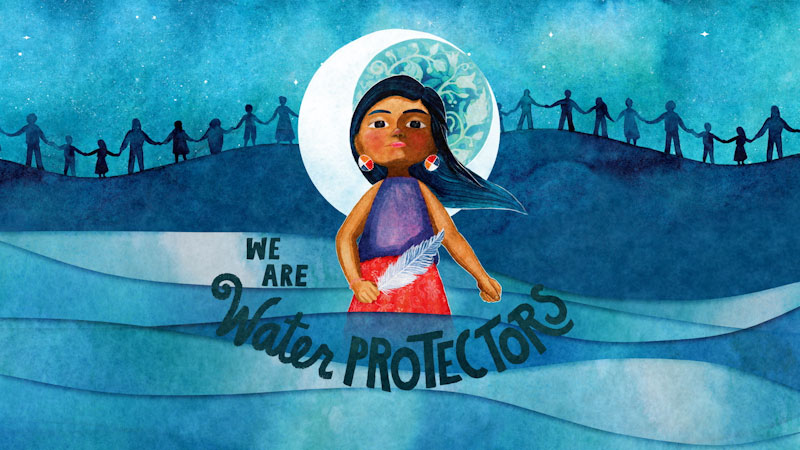
We Are Water Protectors

Inspired by environmental movements led by Indigenous communities, the picture book We Are Water Protectors (2020) celebrates the importance of water and invites readers to take part in safeguarding this precious resource. A young water protector must save her community’s water from a black snake (an oil pipeline). Accompanying the text by Carole Lindstrom are beautiful illustrations by Michaela Goade, which garnered the picture book the 2021 Caldecott Medal. The book includes author and illustrator notes reflecting on movements like the Standing Rock Sioux’s protest of the Dakota Access Pipeline and Indigenous perspectives on water.
-NK

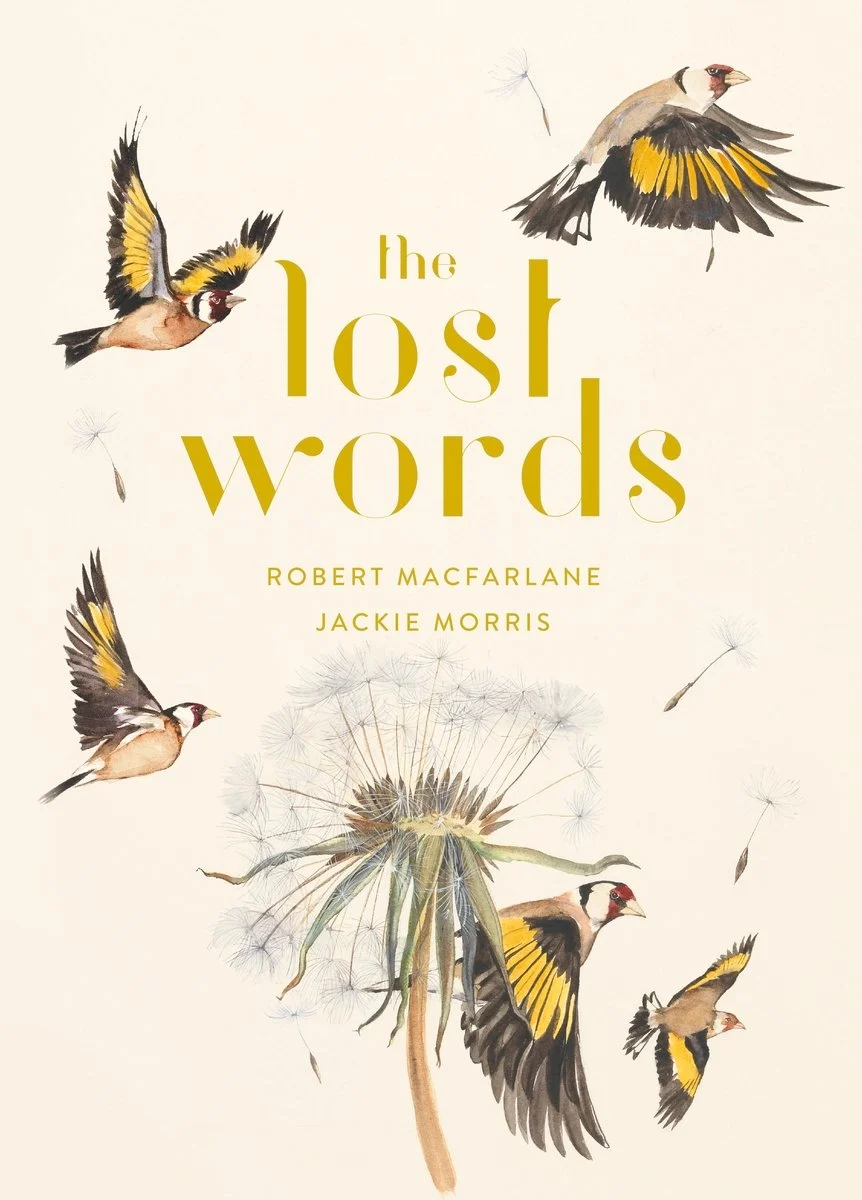
The Lost Words

“Once upon a time, words began to vanish from the language of children”—literally. This fairytale-like opening to The Lost Words (2017) alludes to the real-life removal of nature words like “kingfisher” and “bluebell” from a children’s dictionary. As a response to this erasure, The Lost Words presents an alternative dictionary of sorts with poems from “acorn” to “wren.” Described as spells, these poems not only preserve the names of nature but also conjure up these creatures and plants: they insist on nature’s place in our imagination and in our world. The Lost Words has been followed up by The Lost Spells and a musical ensemble called Spell Songs that has adapted some of the poems into songs. Between the poetry, the illustrations, and the music, The Lost Words invites considerations into the ways different artistic forms and media can engage with the environment.
-NK

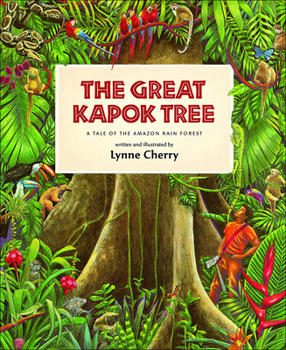
The Great Kapok Tree

Written and illustrated by Lynne Cherry, this 1990 picture book dedicated to Brazilian environmentalist Chico Mendes tackles deforestation in the Amazon rainforest. A tired woodcutter dozes off while trying to chop down a giant kapok tree. As he sleeps, different creatures who live in the tree come to whisper in his ear, trying to persuade him to spare the tree. Houghton Mifflin Harcourt released a thirtieth anniversary edition for The Great Kapok Tree in 2020, underscoring the picture book’s enduring appeal and continuing relevance today. Cherry herself is an environmentalist and has remained dedicated to supporting youth involvement in environmental activism, founding the organization Young Voices for the Planet.
-NK

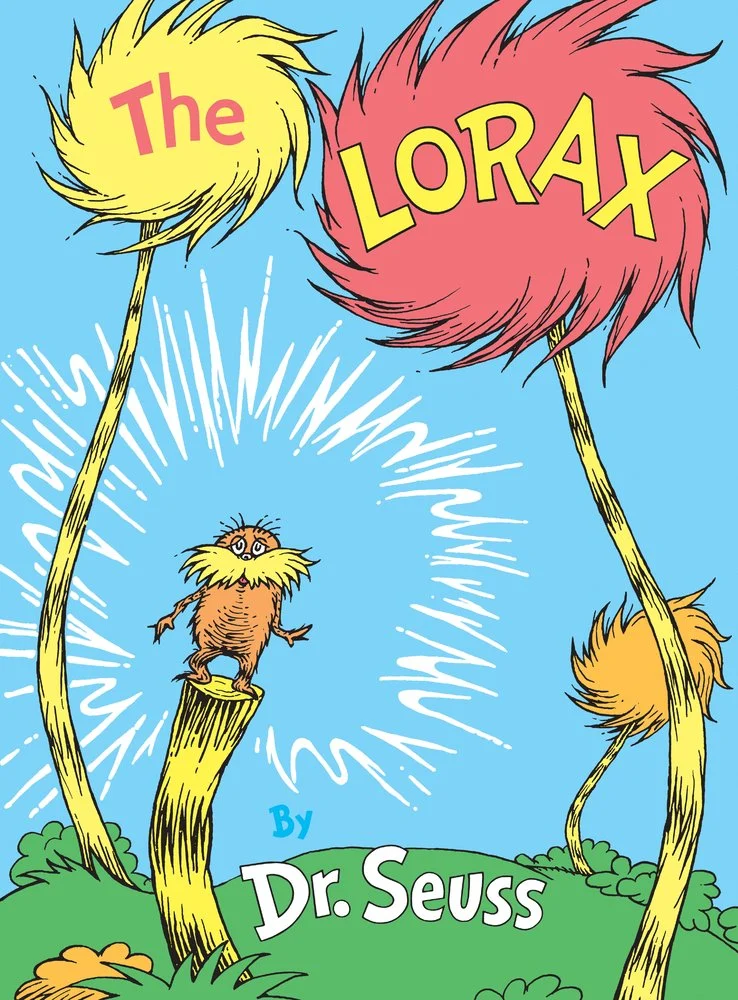
The Lorax

Published one year after Earth Day was first instituted in April 1970, the beloved Dr. Seuss book has been widely recognized as a cautionary tale about greed and environmental destruction. The Lorax tells the story of how the greedy Once-ler chops down the Truffula Trees for his business, while the Lorax warns him against such decisions. The Once-ler’s actions lead to pollution and the disappearance of the Lorax, who leaves behind a message urging readers to take action to protect the environment.
-NK

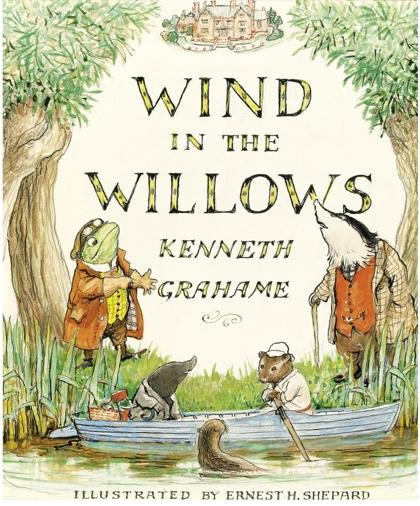
The Wind in the Willows

This beloved British children’s novel by writer Kenneth Grahame features animals as its central characters, following the adventures of Mole, Ratty, Badger, and Mr. Toad. Grahame was noted for his own love for the natural world, and the novel accordingly depicts an idyllic countryside environment, even presenting nature itself as spiritually imbued. However, aspects of the narrative—notably Mr. Toad’s obsession with motorcars and reckless driving —allude to the encroaching dangers of industrialization. Indeed, The Wind in the Willows was actually published at a time when industrialization was well under way in Britain. The novel’s ability to evoke a nostalgic attachment to a natural world threatened by industrialization has remained powerful even today, over a century after its initial publication: a 2019 ad in the UK for the Wildlife Trusts campaign featured characters from The Wind in the Willows facing the loss of their habitats due to human construction and pollution.
-NK